
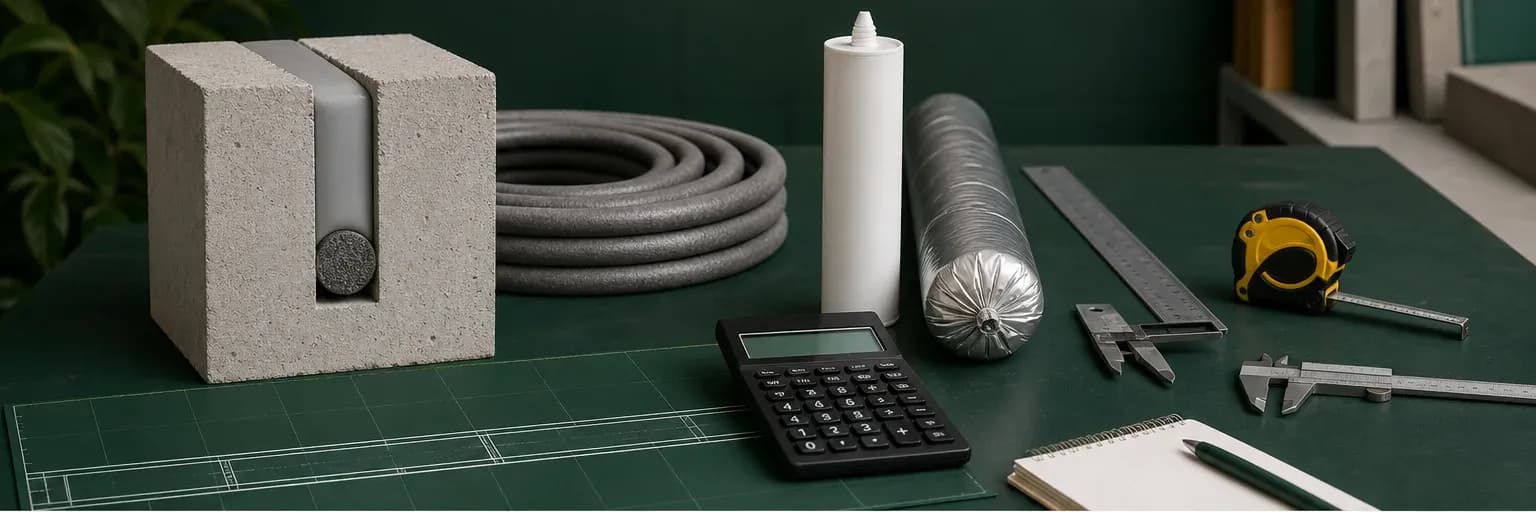
How to calculate sealant quantity for a joint
Width × depth × length gives you millilitres. Divide by the pack size, add waste and round up.
How to choose, apply and fix sealants: wet areas, glazing, fire-rated joints, joint design, cure times and quantities.
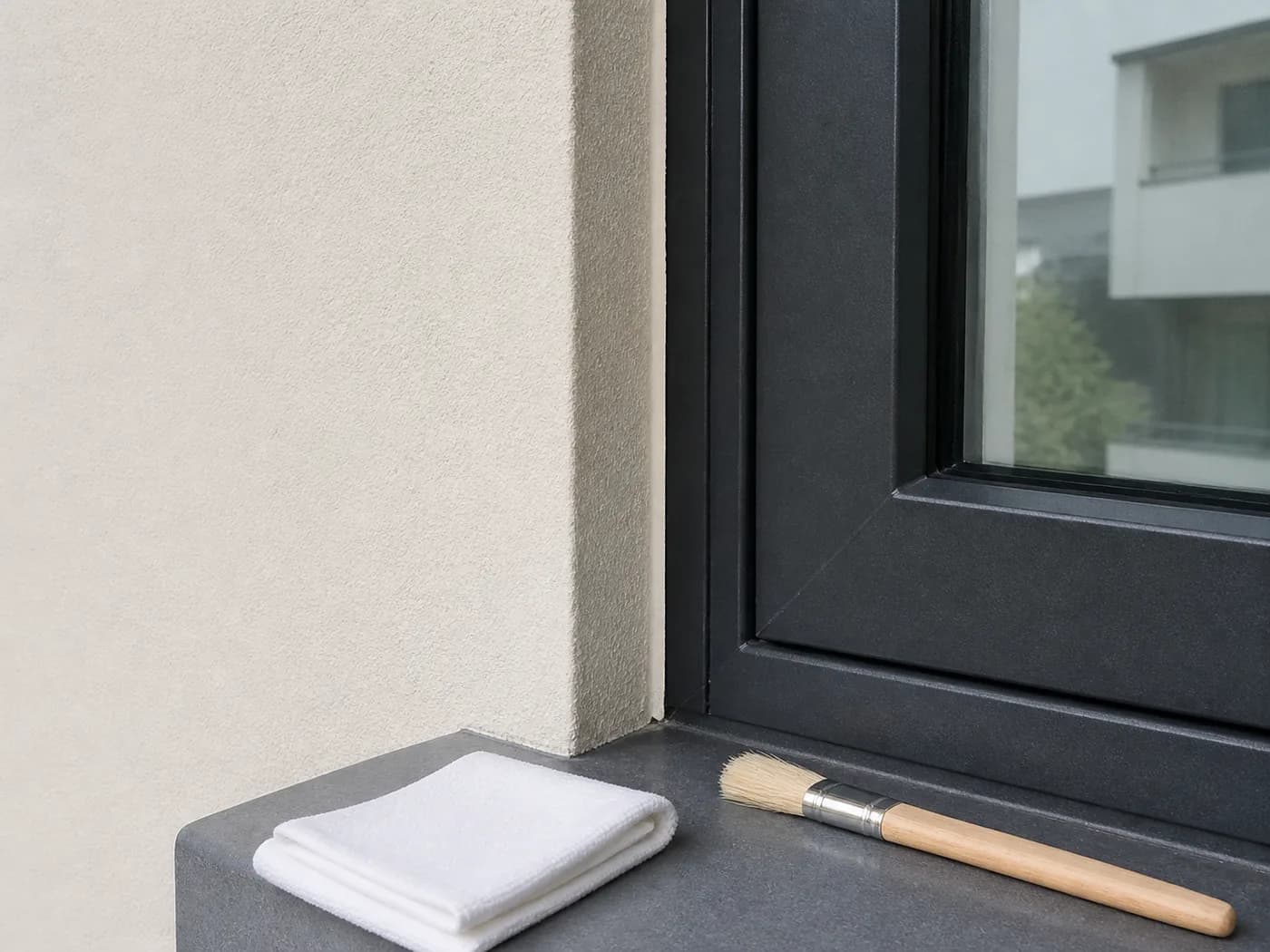
Width × depth × length gives you millilitres. Divide by the pack size, add waste and round up.
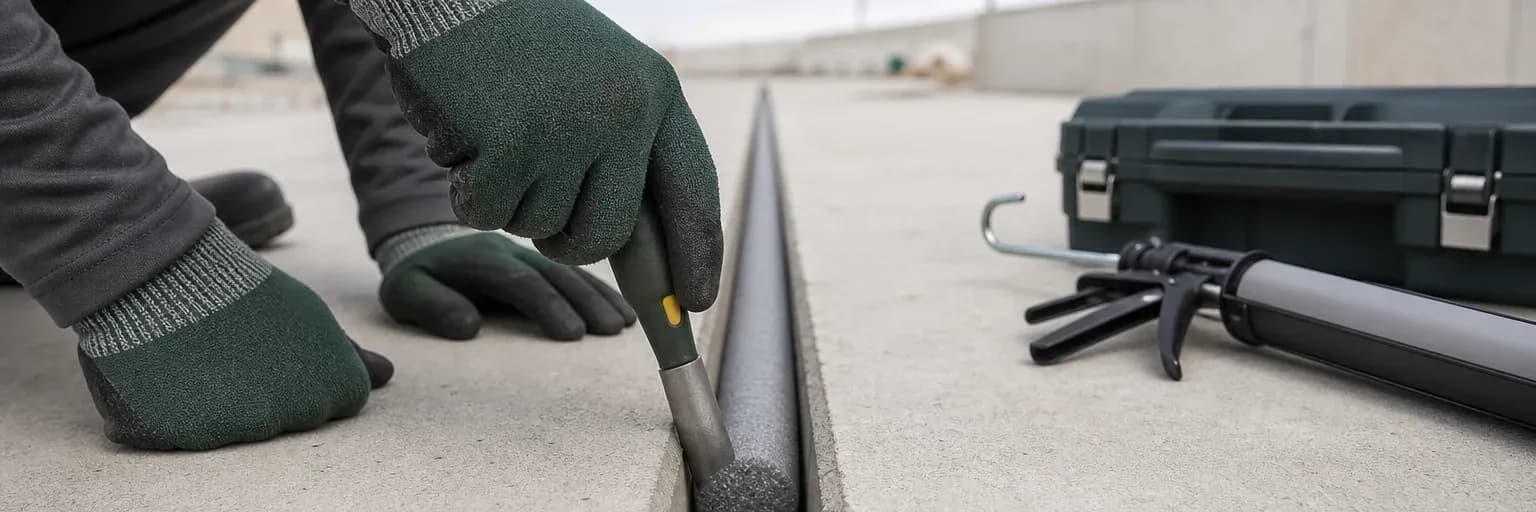
What backer rod does, when a joint needs it, how to size it, and when bond-breaker tape is the better choice.
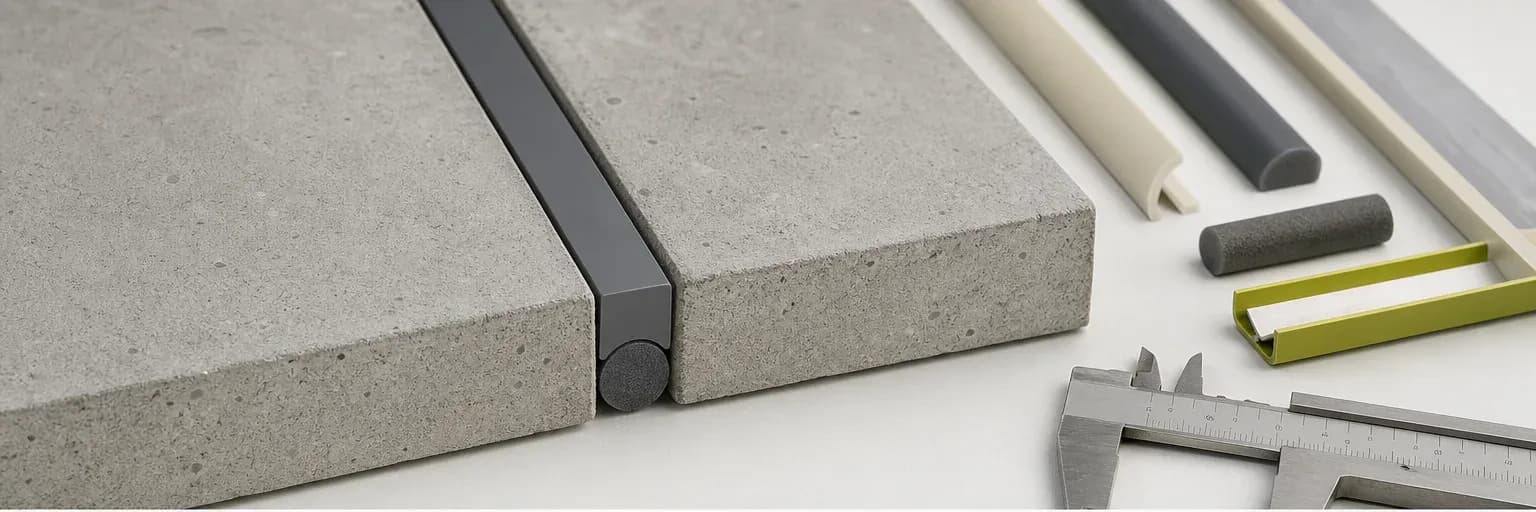
How wide and deep a sealant joint should be, why it must stick to two sides and not three, and where backer rod comes in.
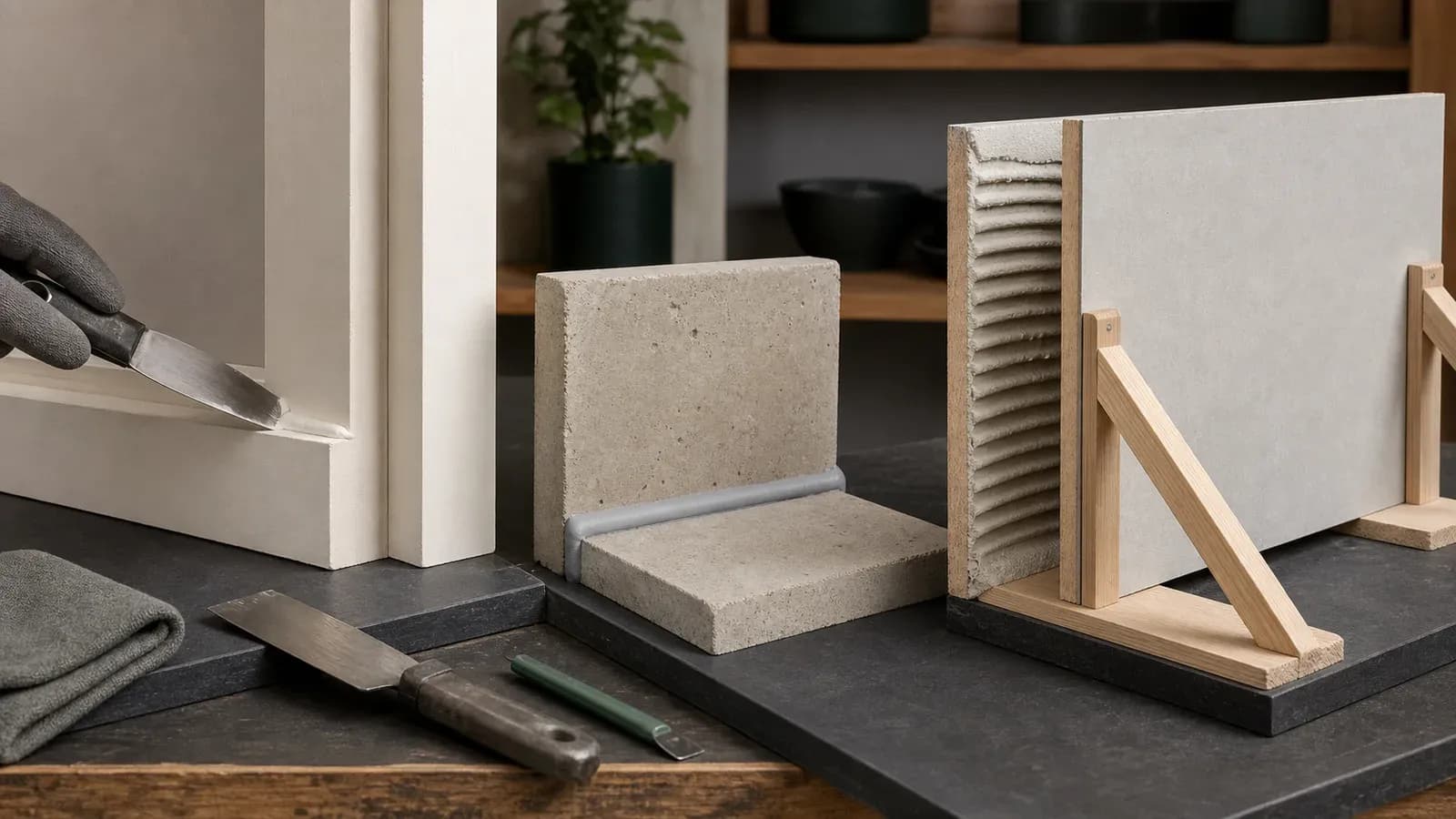
Caulk fills gaps for paint. Sealant keeps water out of joints that move. Adhesive holds things up.
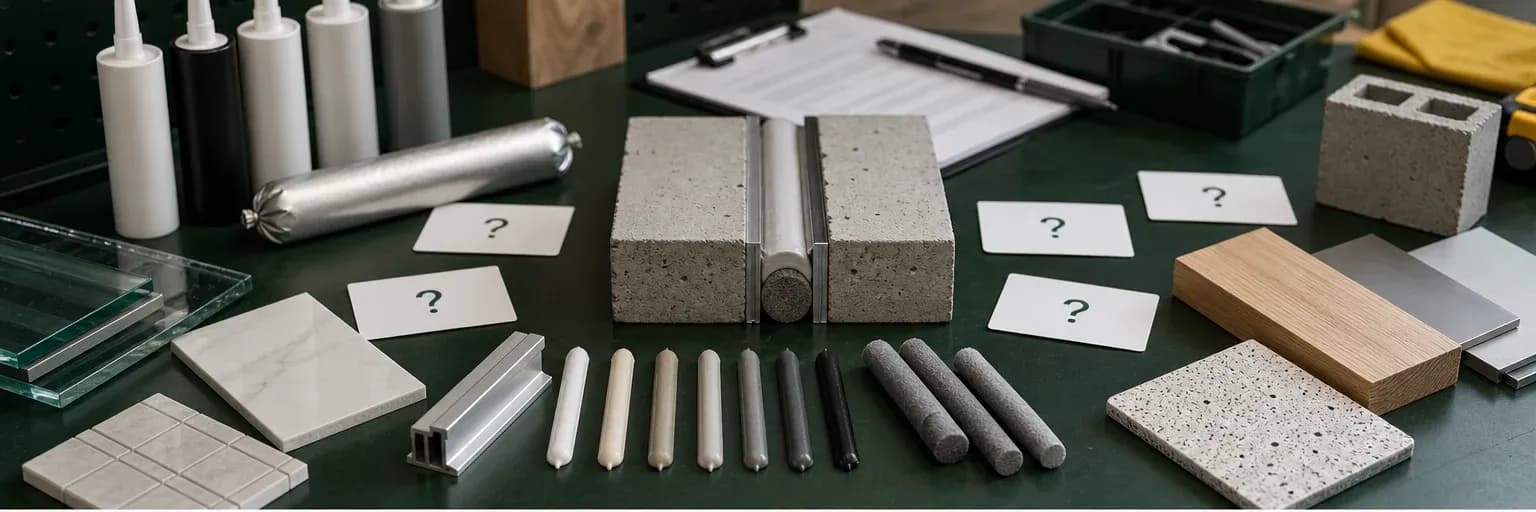
Short answers to the questions we hear most: which sealant to use, painting, mould, curing, backer rod, shelf life and fire rating.
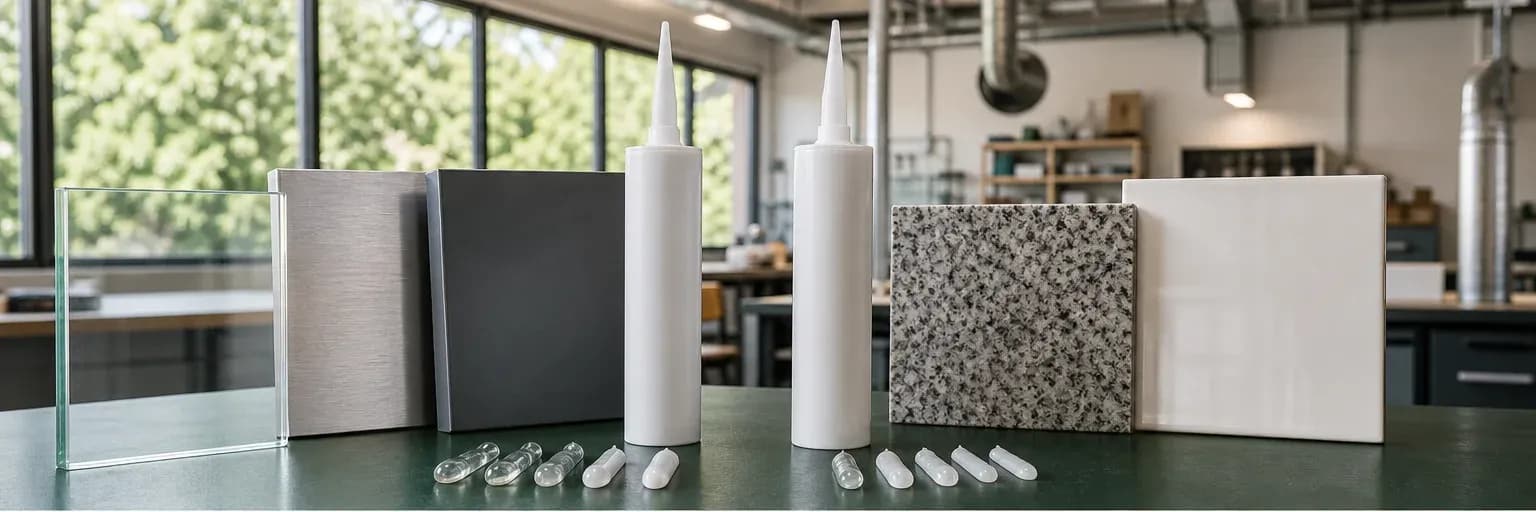
Acetoxy silicone smells of vinegar and can attack some metals and stone. Neutral cure doesn't. Here's which one to use where.

What to look for on a walk-round, what each kind of failure means, and when to patch or replace the run.
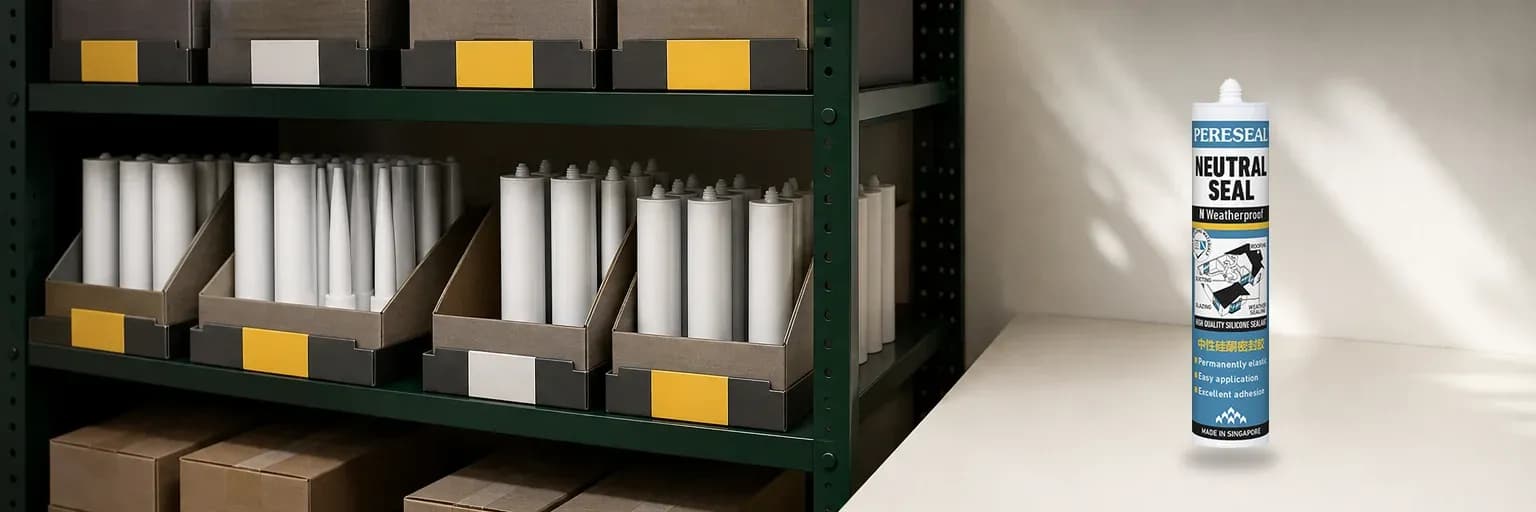
Shelf life and storage temperatures for each Pereseal product, and how to tell when a pack has gone off.
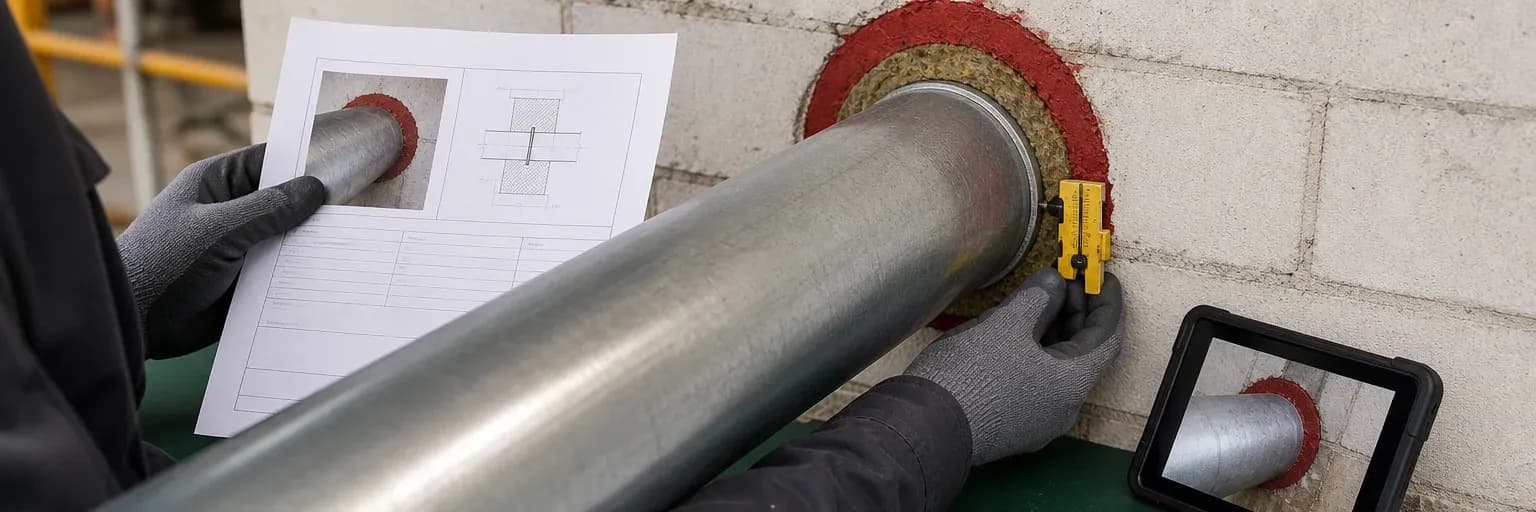
A fire rating belongs to the tested joint, not the cartridge. How to match your joint to the Pereseal FR test.
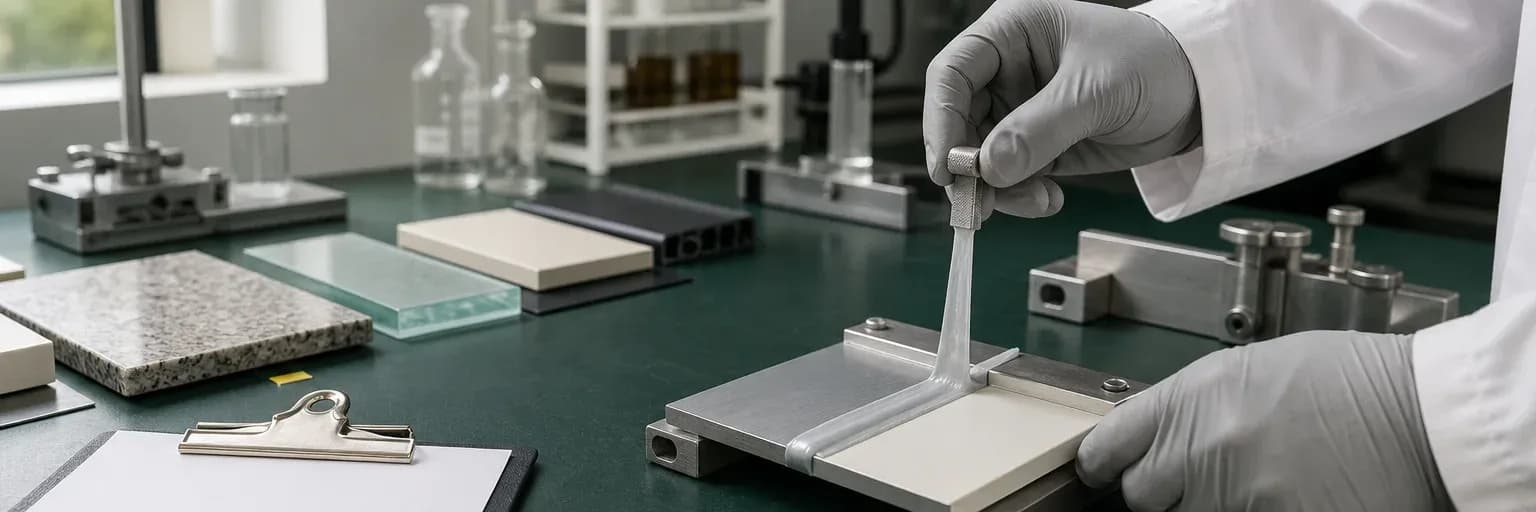
A simple pull test on the real surface, the combinations to rule out first, and how to check stone for staining.
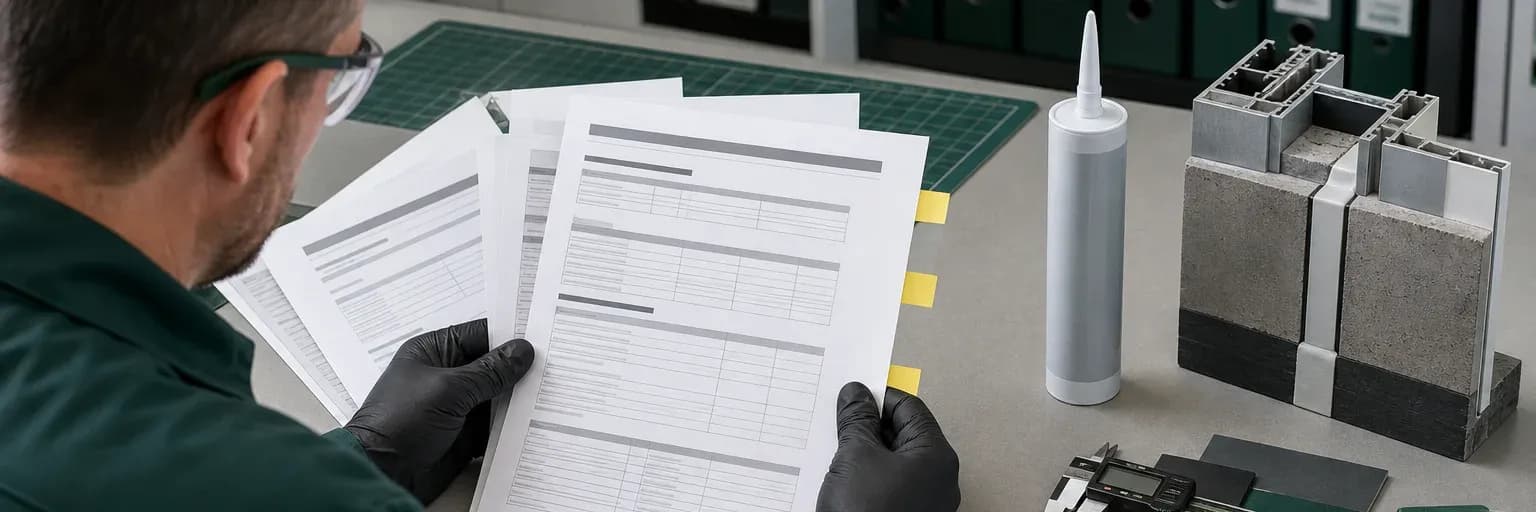
What to look at first on a TDS, what the numbers mean, and which documents you need alongside it.
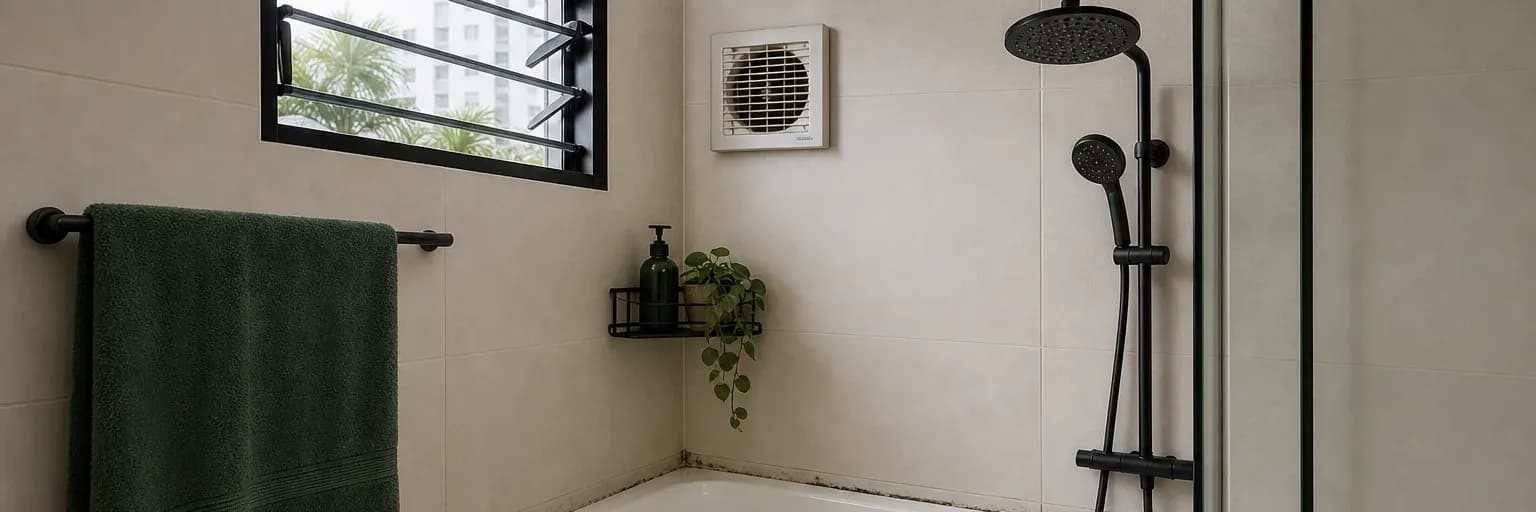
It’s mould on a joint that stays damp. When to clean it, when to cut it out, and how to stop it coming back.
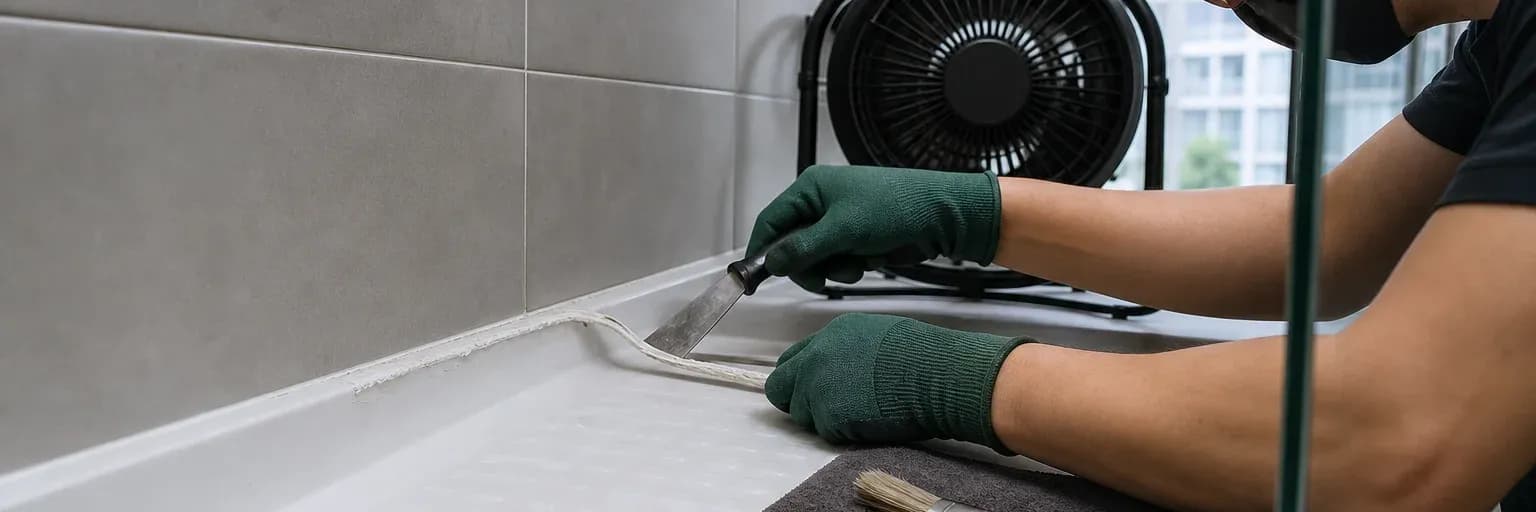
Cut out the old bead, clean and dry the joint, reseal with an anti-fungal silicone and keep the water off it. Step by step.
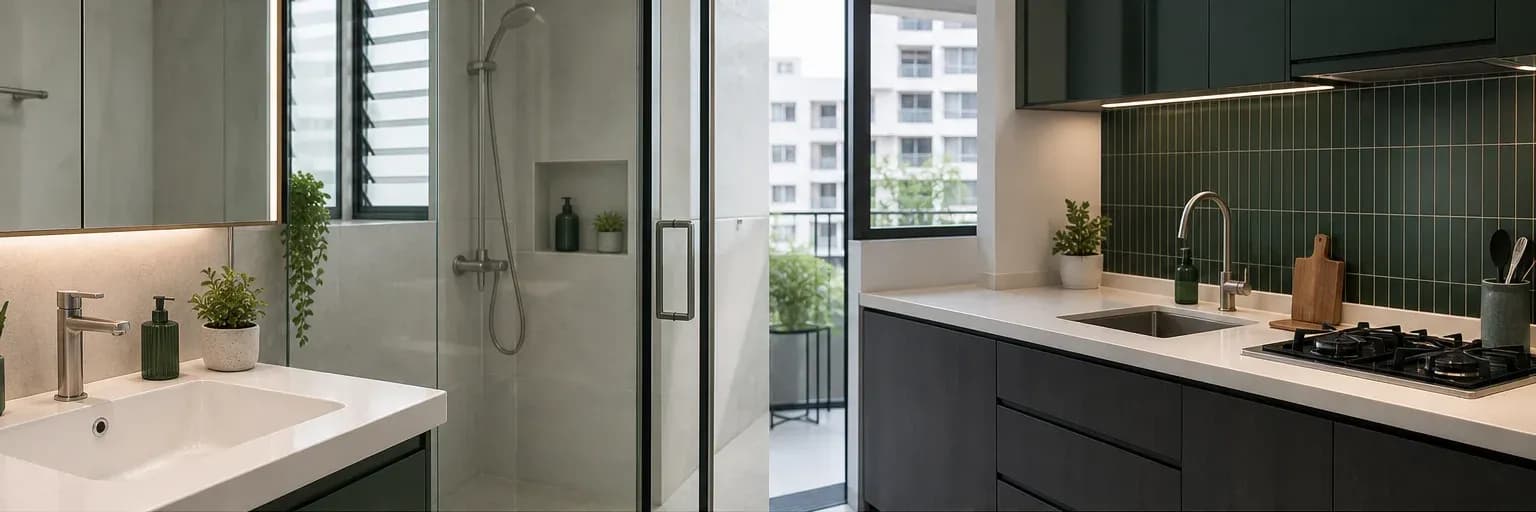
Use a neutral-cure anti-fungal silicone for anything that gets wet. Here's why, where it doesn't belong, and what else matters.
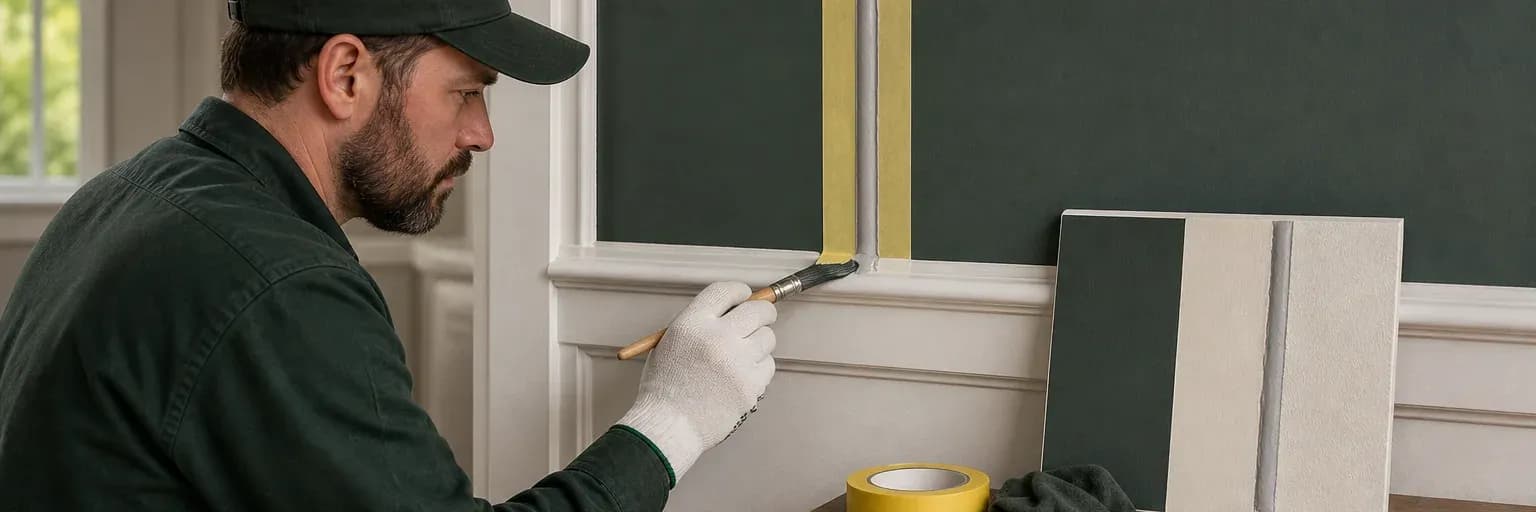
Acrylic takes paint, silicone doesn’t. When to paint, and why paint cracks over a joint that moves.
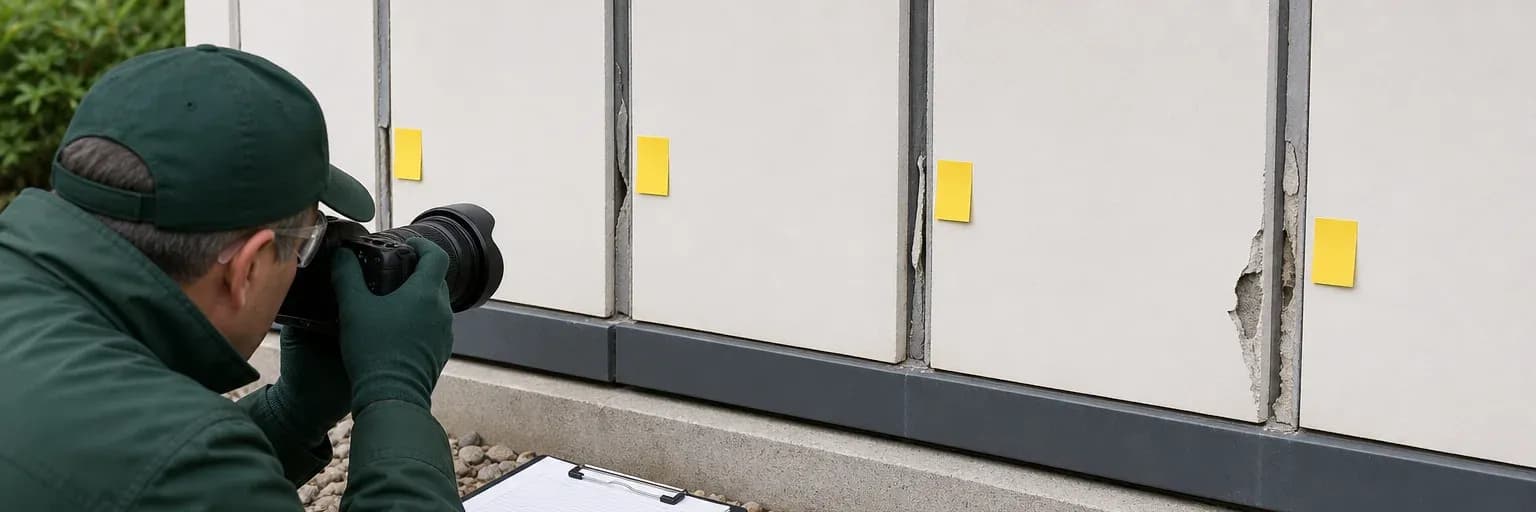
Peeled off one side, split down the middle or took the surface with it: each failure has a different cause and a different fix.
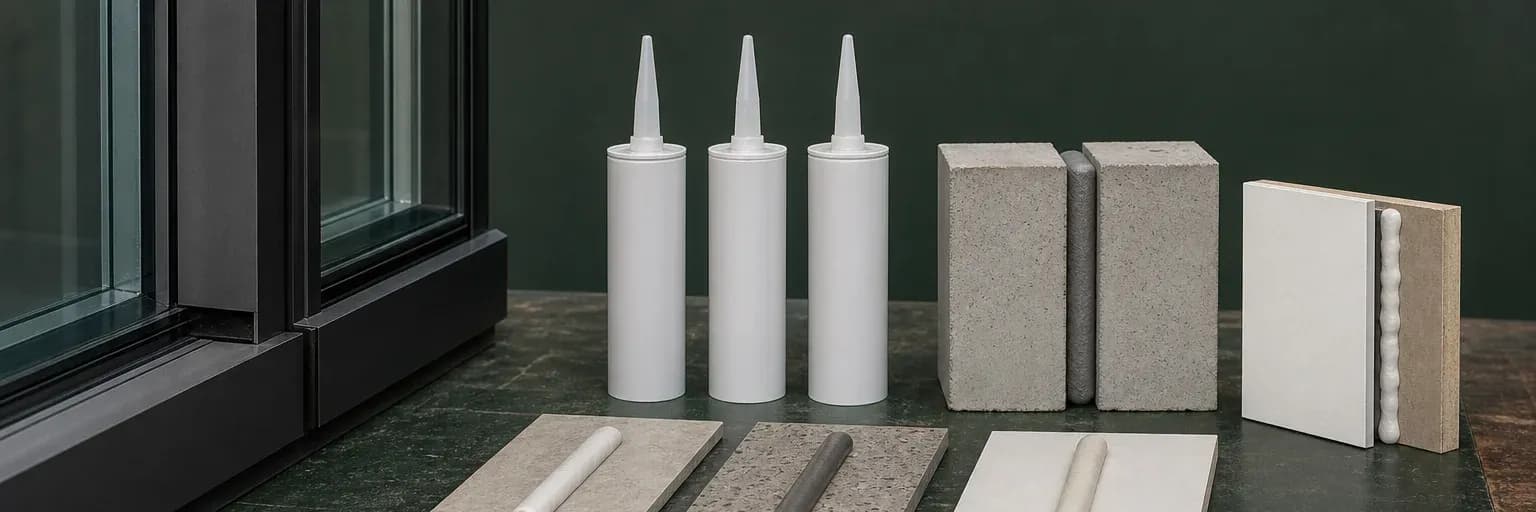
How the three compare on sun, paint, movement and bonding, and which one suits which joint.
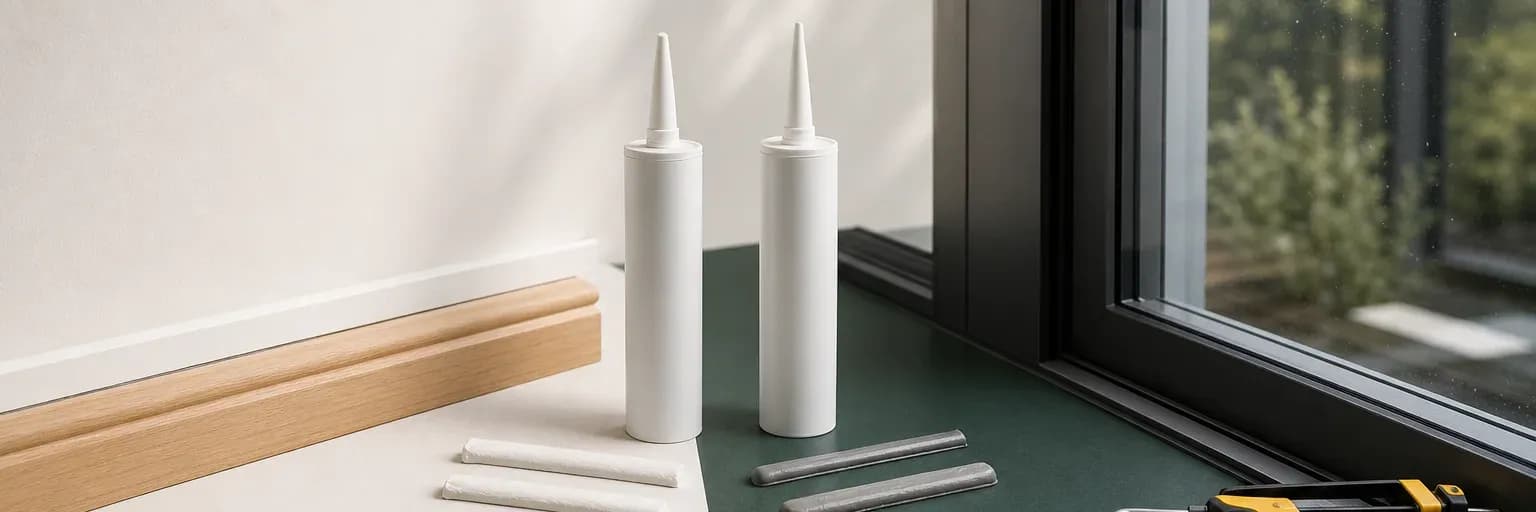
Acrylic for gaps you want to paint. Silicone for joints that get wet, face the weather or move. The details, with the Pereseal product for each.
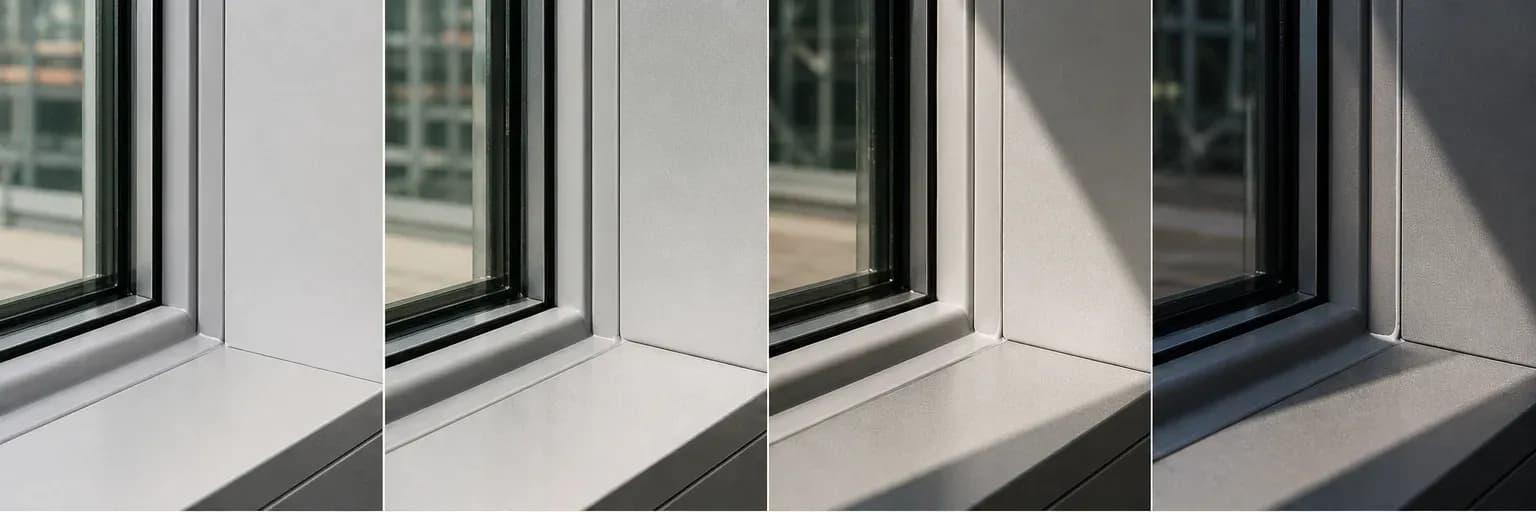
Skin time, tack-free time and full cure are three different things. Here are the numbers for each Pereseal sealant and what slows them down.
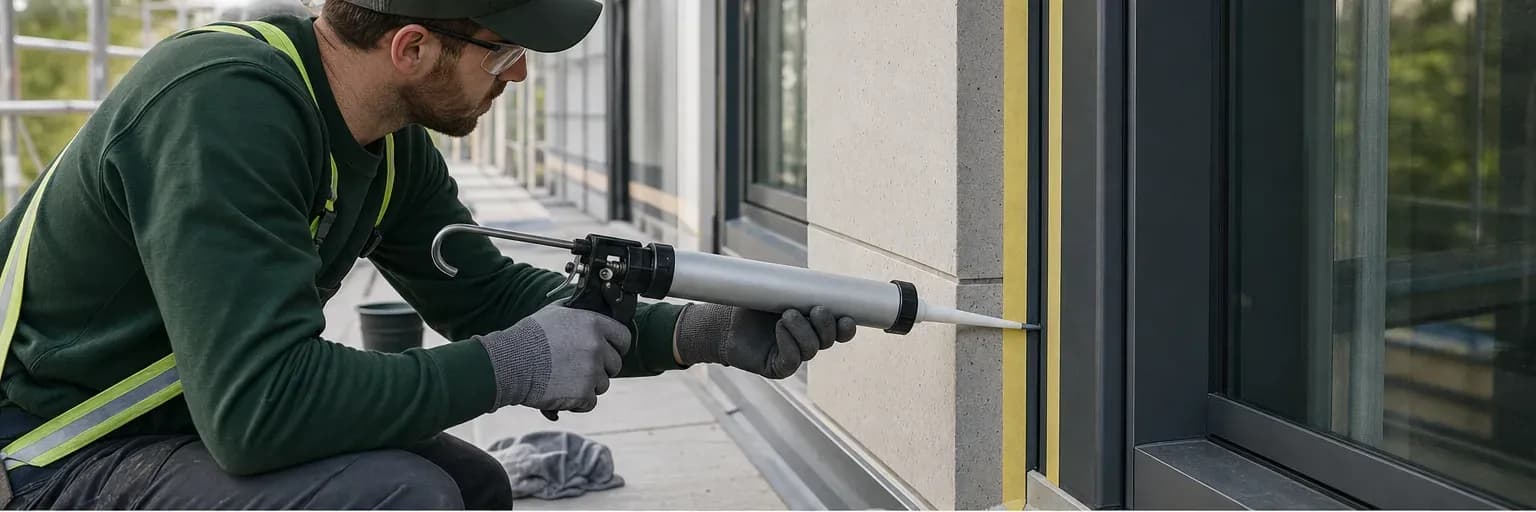
Prepare the joint, fit backer rod, gun one continuous bead, tool it before it skins and protect it while it cures.