

Silicone sealant
Pereseal N Weatherproof Neutral Seal Silicone
Neutral-cure silicone for windows, doors, façades and roofs. Low odour, non-corrosive to metals, and takes up to ±30% joint movement.
Product detailsWeatherproof silicone for window and door perimeters, façades, roofs and construction joints exposed to sun and rain.
An exterior joint sits in sun and rain and moves every day as the building heats and cools. Three things make it last: the sealant bonds to both faces, the joint is wide enough for the movement, and the sealant sticks to the two sides only, with backing rod behind it.
Pereseal N is the first choice for most exterior joints. Its neutral cure bonds to concrete, masonry, stone, aluminium and most plastics without attacking them. It takes ±30% movement and works from −50 °C to +150 °C.
Pereseal 802 is for exterior glass and metal: curtain-wall glazing, skylights, sheet metal and ventilators. It's acetoxy, so keep it off natural stone.
Most exterior failures come from the joint, not the sealant: a gap too narrow for its movement, sealant bonded to the back of the joint, or a dirty or wet surface. Use backing rod, keep joints to 30 mm wide or less, and apply to clean, dry surfaces.
Neutral-cure silicone for windows, doors, façades and roofs. Low odour, non-corrosive to metals, and takes up to ±30% joint movement.
Product details
Acetoxy silicone for glazing, curtain walls, glass and metal. Certified to ASTM C920 Class 25, with up to ±25% joint movement.
Product details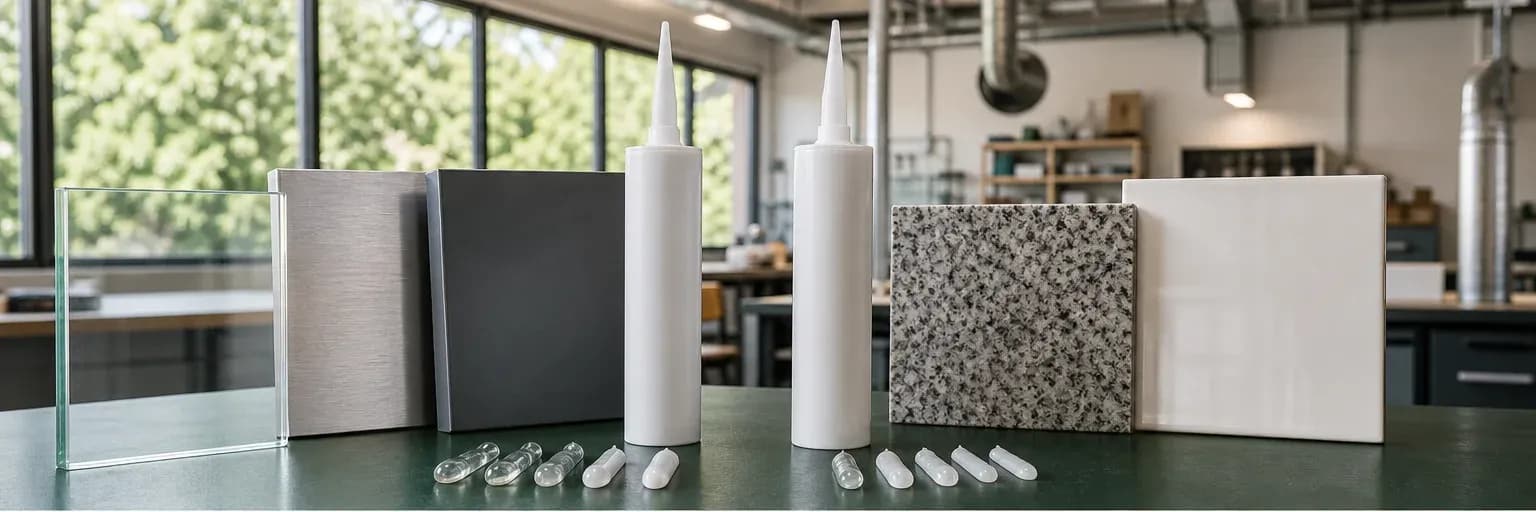
Acetoxy silicone smells of vinegar and can attack some metals and stone. Neutral cure doesn't. Here's which one to use where.
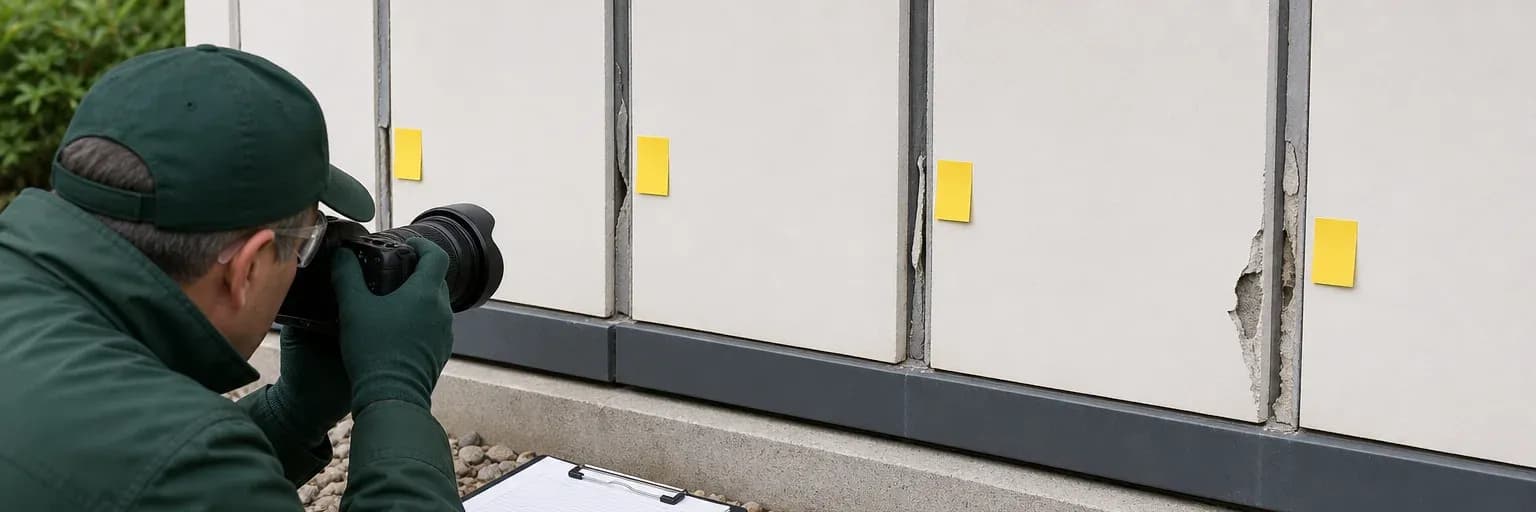
Peeled off one side, split down the middle or took the surface with it: each failure has a different cause and a different fix.
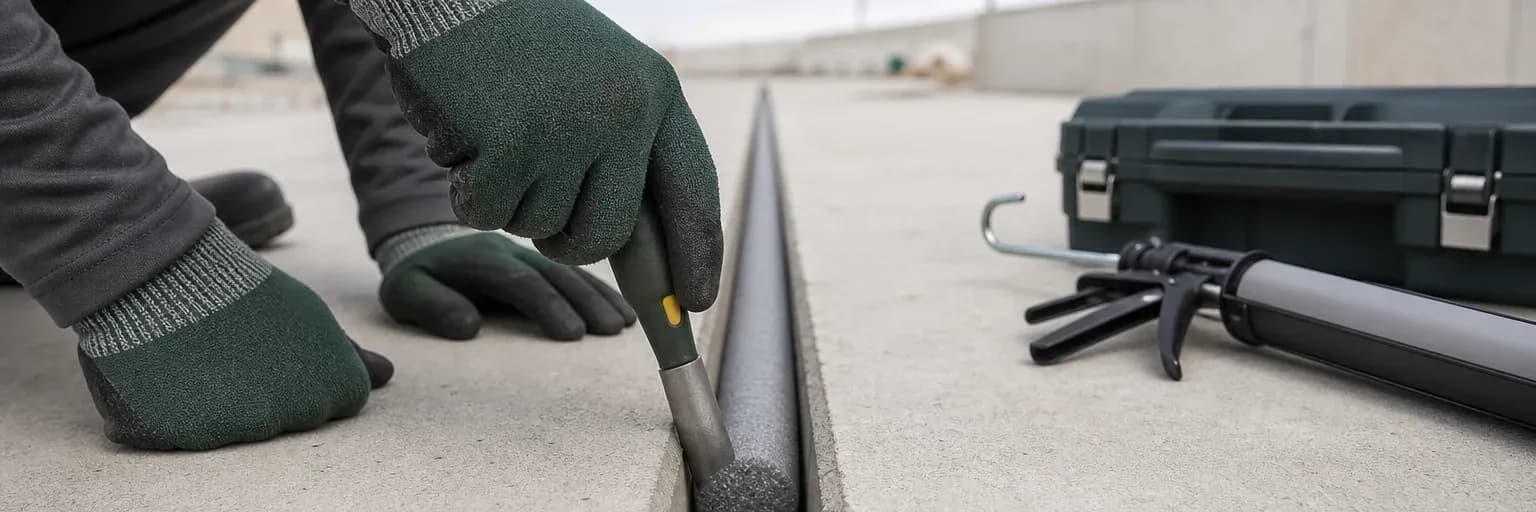
What backer rod does, when a joint needs it, how to size it, and when bond-breaker tape is the better choice.
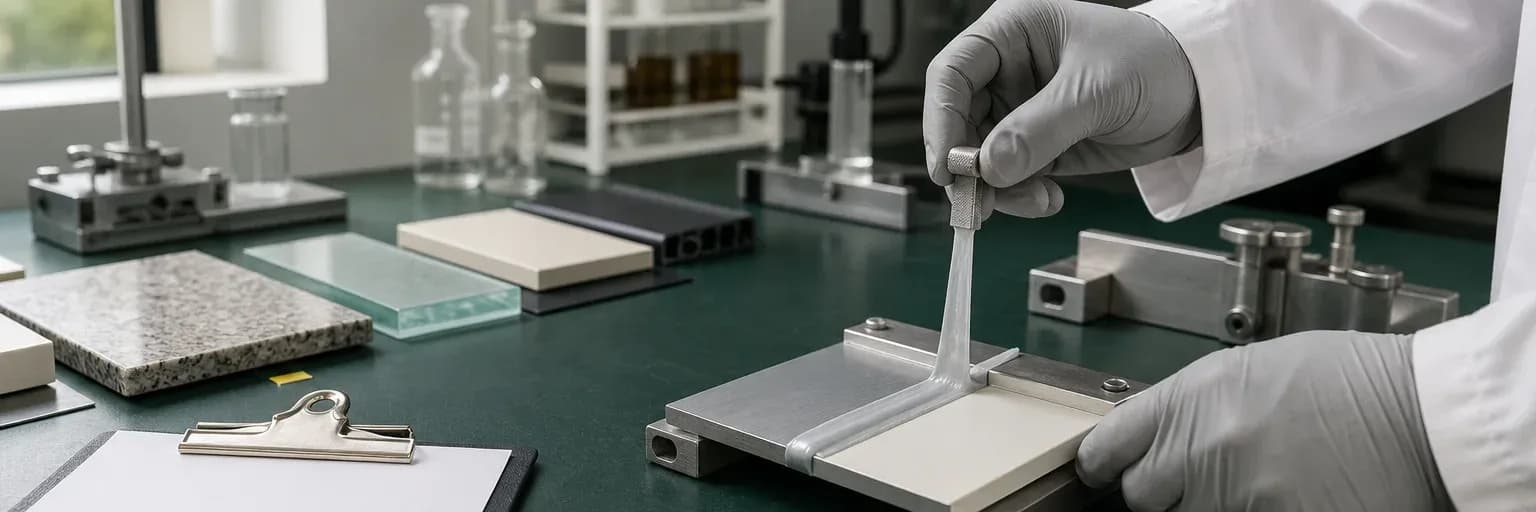
A simple pull test on the real surface, the combinations to rule out first, and how to check stone for staining.
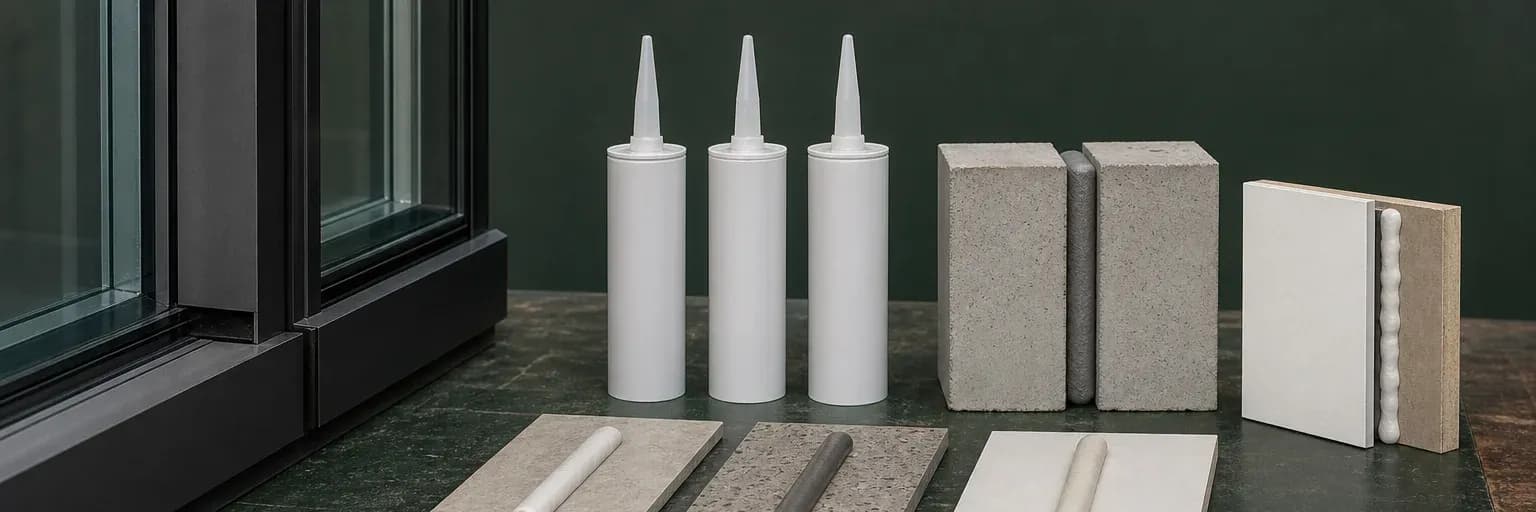
How the three compare on sun, paint, movement and bonding, and which one suits which joint.
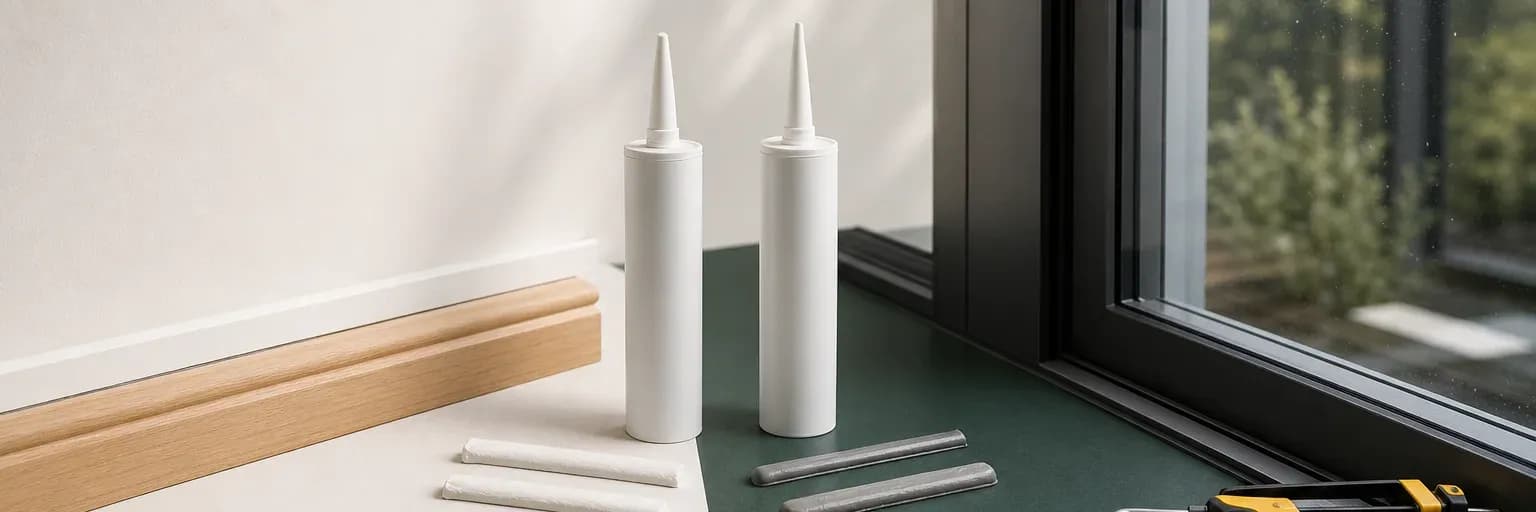
Acrylic for gaps you want to paint. Silicone for joints that get wet, face the weather or move. The details, with the Pereseal product for each.
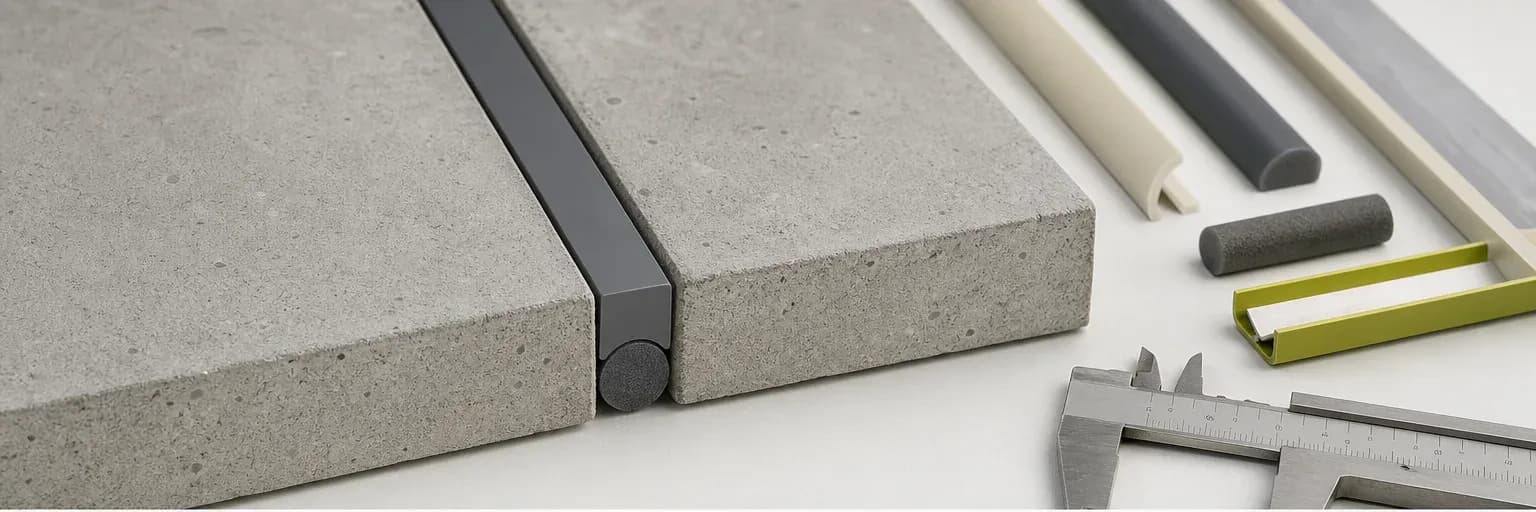
How wide and deep a sealant joint should be, why it must stick to two sides and not three, and where backer rod comes in.

What to look for on a walk-round, what each kind of failure means, and when to patch or replace the run.
Not sure which product fits the joint? Send us a photo and the sizes, and we will tell you.
Talk to us