

Silicone sealant
Pereseal AF Anti-Fungal Bathroom & Kitchen Silicone Sealant
Anti-fungal neutral-cure silicone for showers, baths, basins, sinks and kitchen worktops. Made for Singapore's heat and humidity.
Product detailsAnti-fungal silicone for showers, baths, basins, sinks, toilets, tiles and kitchen worktops.
Bathroom and kitchen joints stay warm and damp, get scrubbed with cleaners and move a little every time someone steps into the shower. You need a silicone that stays flexible, sticks to tile, glass, metal and stone, and resists mould.
Pereseal AF is our sanitary silicone. It's neutral-cure, so there's no vinegar smell and no attack on metal fittings or stone, and it contains fungicide. In TÜV SÜD PSB testing it showed no mould growth after 28 days in a warm, humid chamber (ISO 846), and bleach and urine left it unmarked. It comes in white and clear 280 ml cartridges.
If the old bead has split, lifted or gone black underneath, cut it all out, clean off the residue and let the joint dry before you apply AF. Keep water off the new bead for as long as you can; it's tack-free in about 15 minutes and cures 10 mm deep in 7 days.
Anti-fungal neutral-cure silicone for showers, baths, basins, sinks and kitchen worktops. Made for Singapore's heat and humidity.
Product details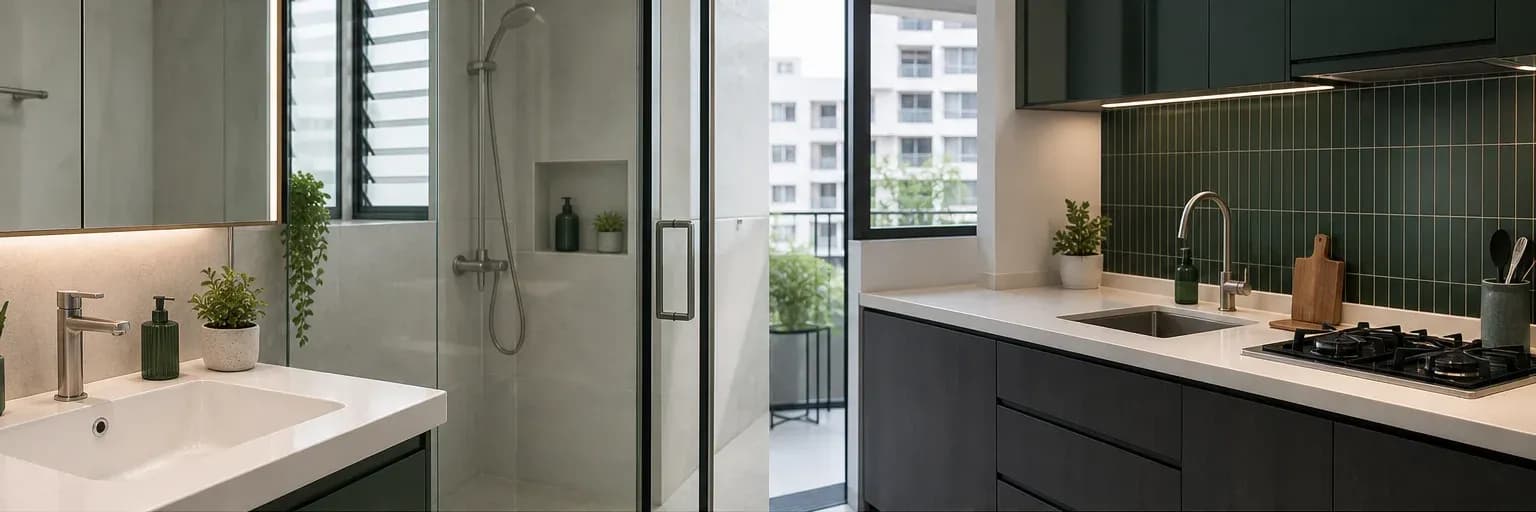
Use a neutral-cure anti-fungal silicone for anything that gets wet. Here's why, where it doesn't belong, and what else matters.
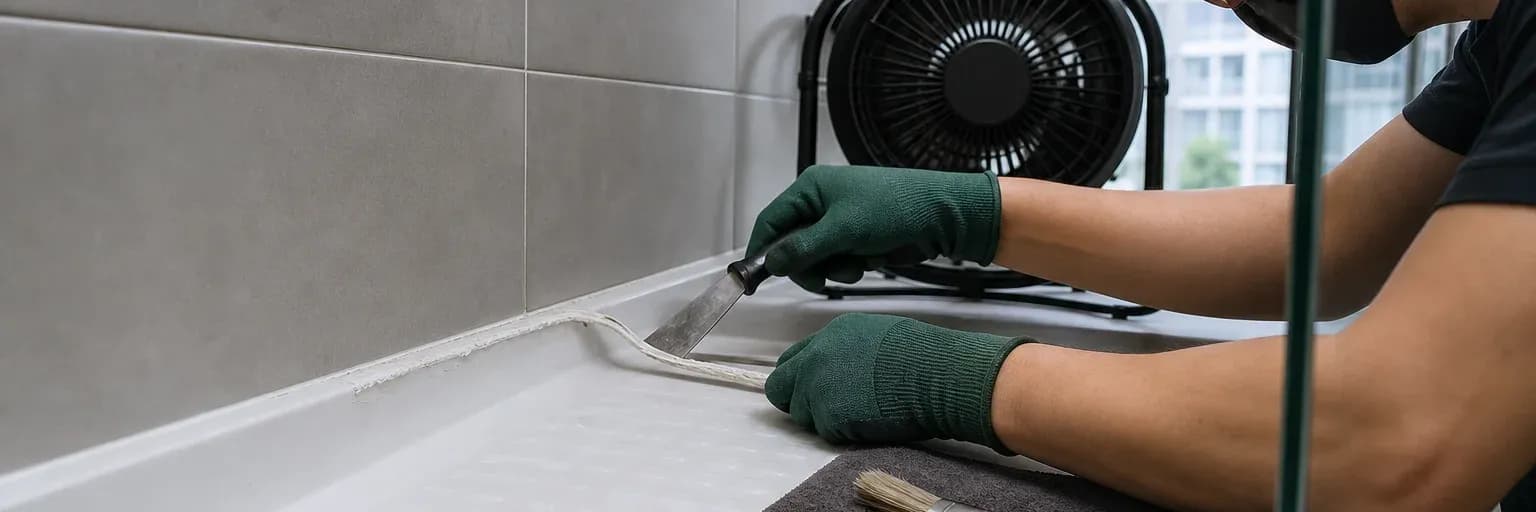
Cut out the old bead, clean and dry the joint, reseal with an anti-fungal silicone and keep the water off it. Step by step.
Skin time, tack-free time and full cure are three different things. Here are the numbers for each Pereseal sealant and what slows them down.
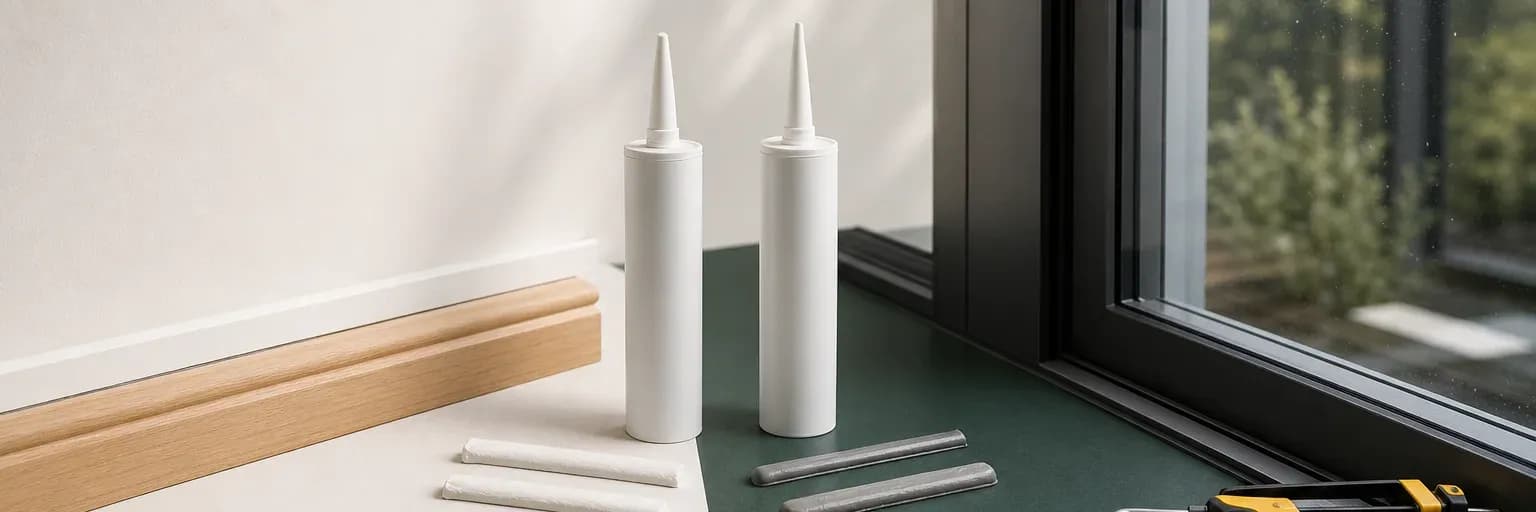
Acrylic for gaps you want to paint. Silicone for joints that get wet, face the weather or move. The details, with the Pereseal product for each.
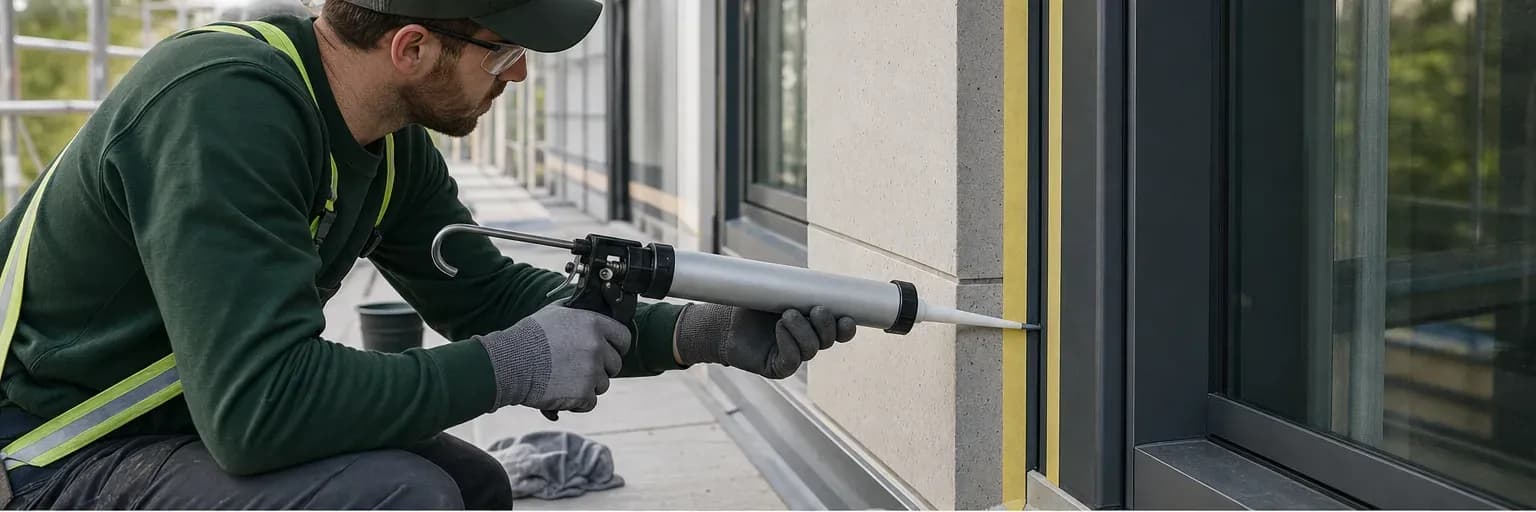
Prepare the joint, fit backer rod, gun one continuous bead, tool it before it skins and protect it while it cures.
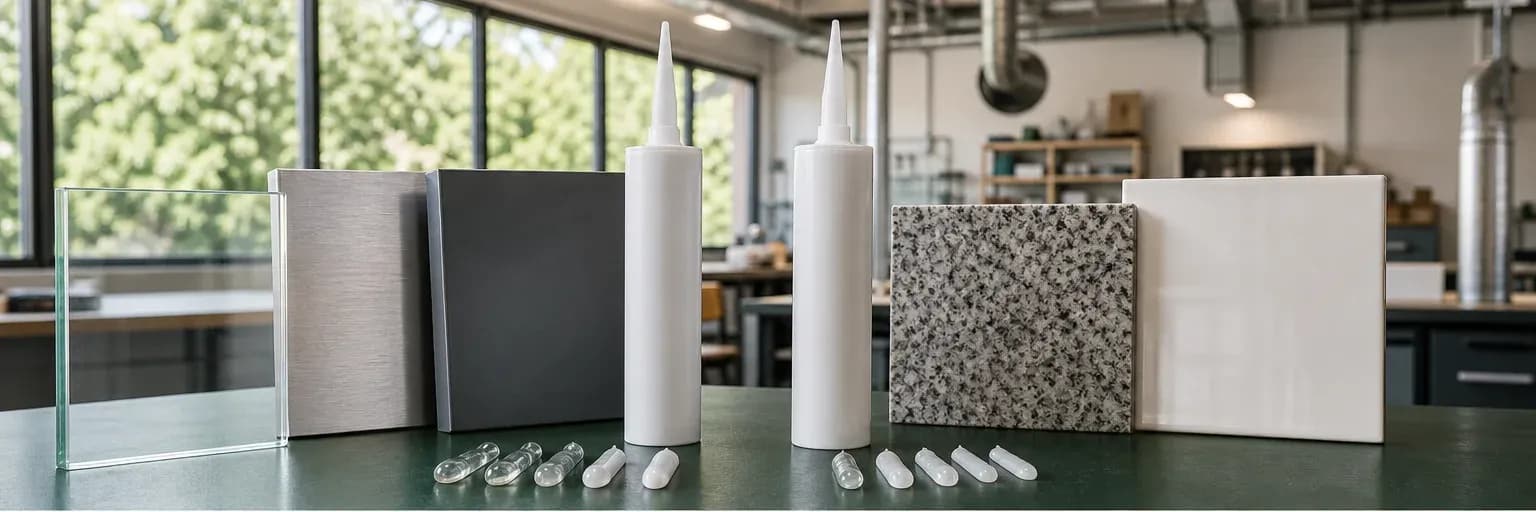
Acetoxy silicone smells of vinegar and can attack some metals and stone. Neutral cure doesn't. Here's which one to use where.
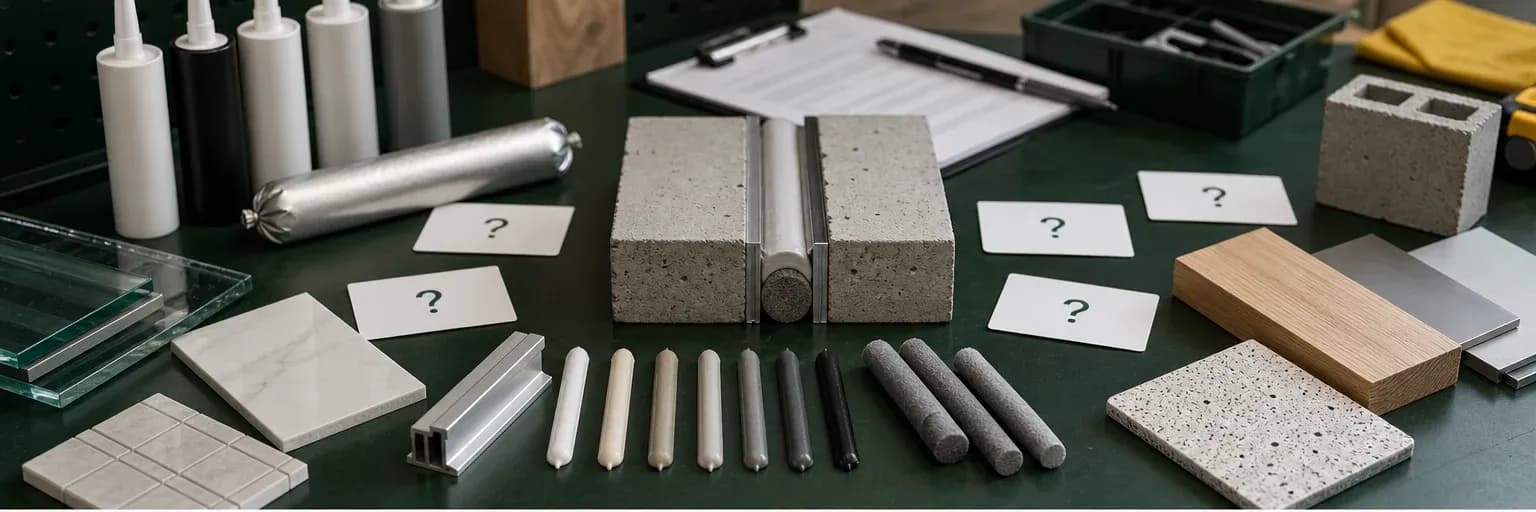
Short answers to the questions we hear most: which sealant to use, painting, mould, curing, backer rod, shelf life and fire rating.
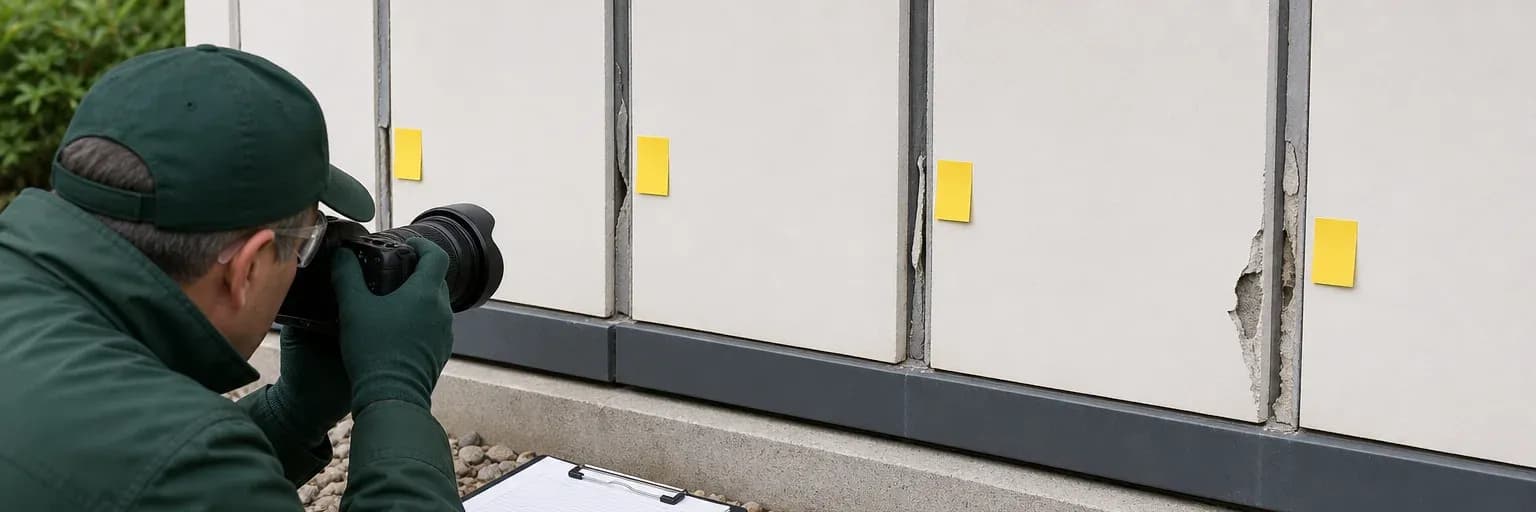
Peeled off one side, split down the middle or took the surface with it: each failure has a different cause and a different fix.
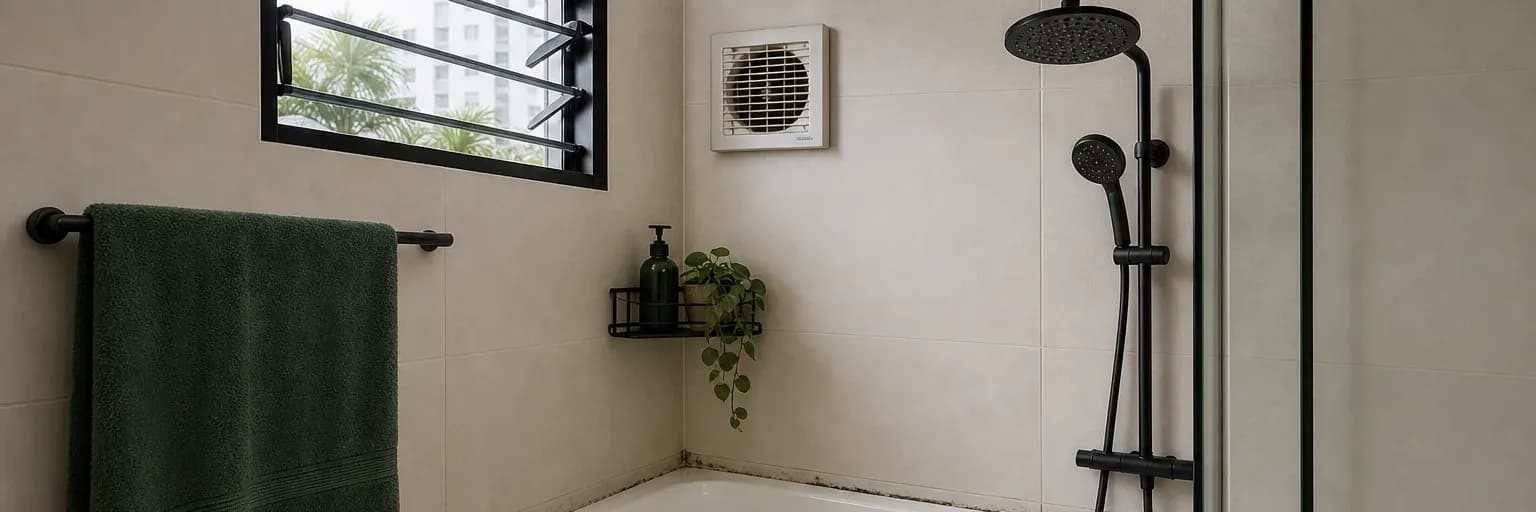
It’s mould on a joint that stays damp. When to clean it, when to cut it out, and how to stop it coming back.
Not sure which product fits the joint? Send us a photo and the sizes, and we will tell you.
Talk to us