Silicone sealant
Pereseal AF Anti-Fungal Bathroom & Kitchen Silicone Sealant
Pereseal AF
Neutral-cure anti-fungal silicone for suitable bathroom, kitchen and sanitary joints in hot, humid conditions.

01
Key features
- Neutral-cure sanitary silicone
- Contains fungicides for mould and mildew resistance
- Low-odour curing system
- Easy to apply and tool
- Permanently elastic after cure
- Colourfast and UV-resistant
- 100% silicone formulation with no added fillers
- Non-staining on suitable ceramic tile, marble and granite
- Very good adhesion to many conventional construction materials
- Service-temperature range of −60°C to +120°C
02
Applications
- Sealing and jointing in suitable sanitary applications
- Sealing baths
- Sealing sinks
- Sealing toilets
- Sealing showers and shower screens
- Sealing kitchen furniture, fixtures, tiles and plumbing fixtures
- Sealing compatible stone, granite and marble counters and countertops
03
Pack formats
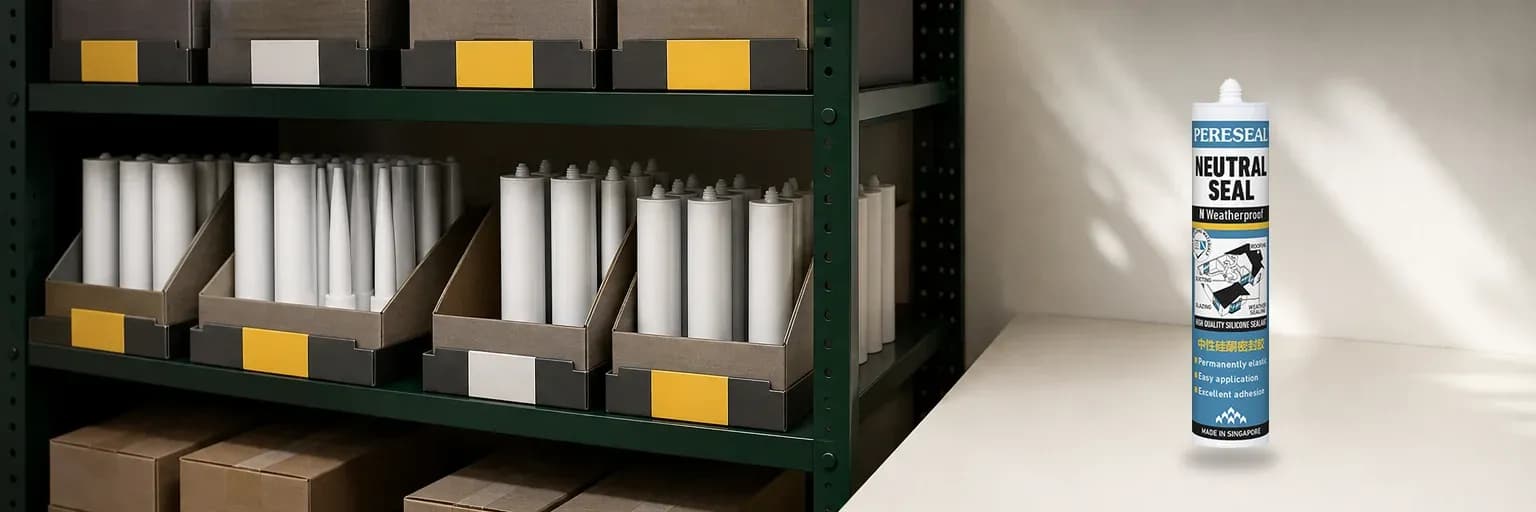
- 280 ml cartridge — 25 per carton
04
Colours
- White
- Clear
Product overview
What this product is designed to do.
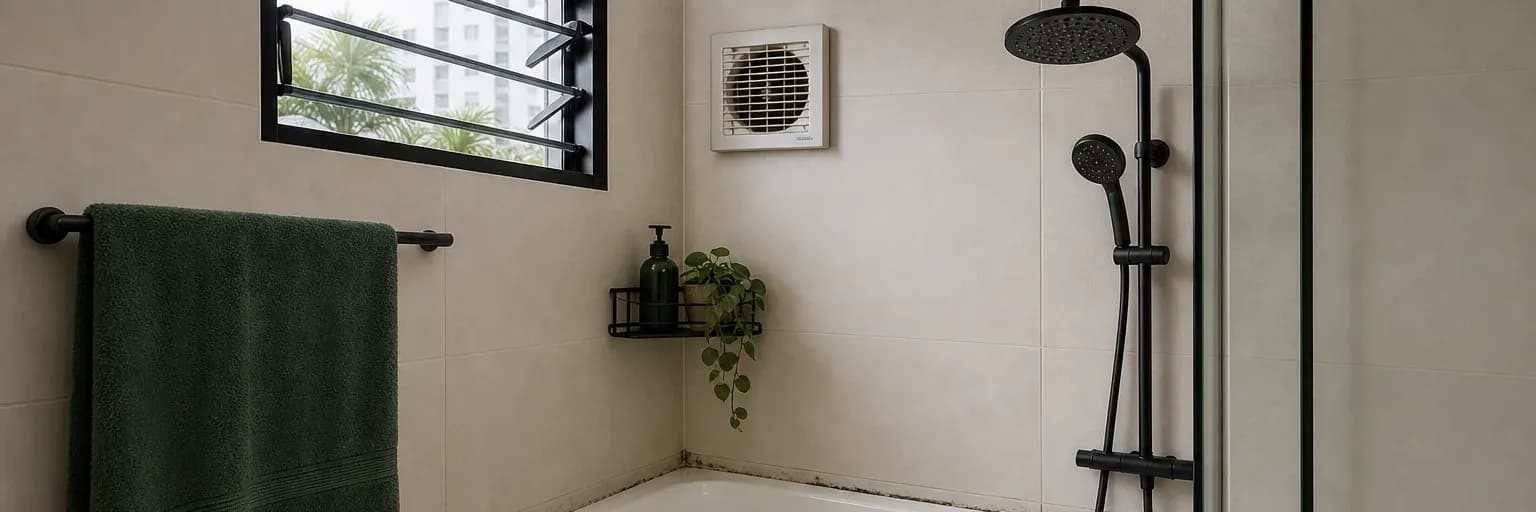
Pereseal AF Bathroom & Kitchen Silicone Sealant is a neutral-cure, anti-fungal silicone formulated for hot, humid conditions such as bathrooms and kitchens.
It cures to form a flexible, waterproof seal and contains fungicides for sanitary applications where resistance to mould, mildew and fungal growth is required.
Technical guidance
Standards, selection and limitations.
Standards and test information
The standards and test references associated with this product are listed below. For specifications and regulated work, confirm that the referenced document and tested configuration apply to your project.
ANSI Z124.3:1995, Section 5.2 — stain-resistance test for plastic lavatories
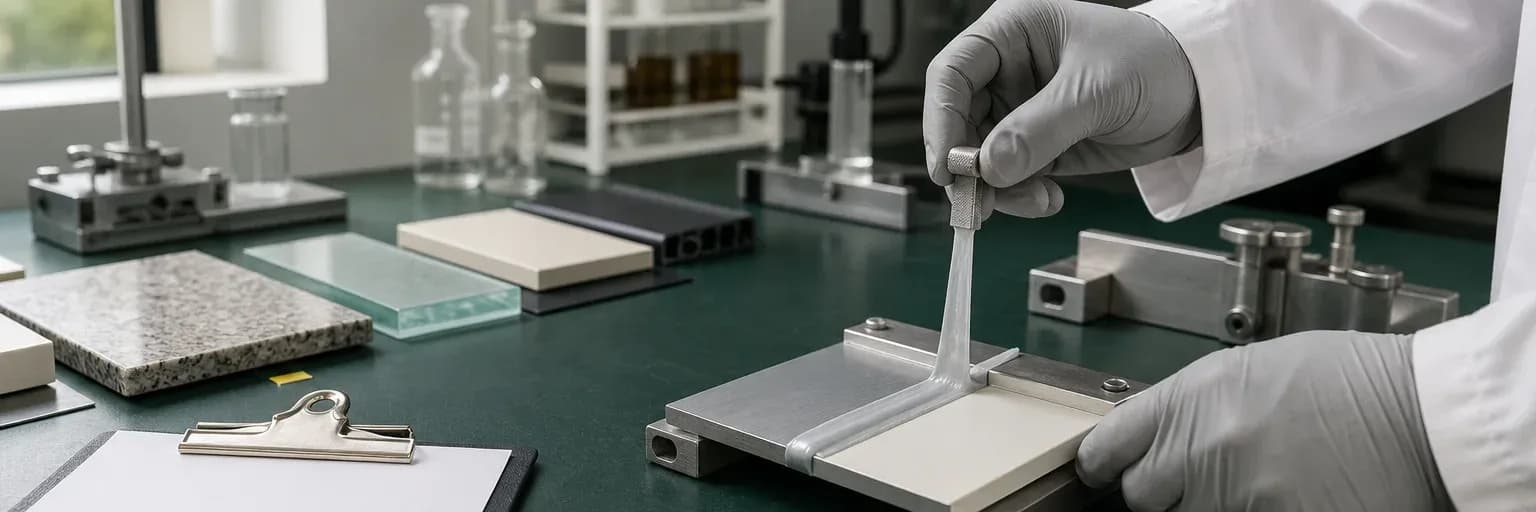
ASTM C510:2016 — staining and colour change of single- or multi-component joint sealants
ASTM C1183/C1183M:2013 — extrusion rate of elastomeric sealants
ASTM C639:2015 — rheological properties of elastomeric sealants
ASTM C661:2015 — indentation hardness of elastomeric-type sealants
ASTM C679:2003 — tack-free time of elastomeric sealants
ASTM C719:2014 — adhesion and cohesion under cyclic movement
ASTM C1246:2017 — effects of heat ageing after cure
ASTM C793:2005 (2017) — effects of accelerated weathering
ASTM C794:2015a — adhesion-in-peel of elastomeric joint sealants
ISO 846:1997, Section 8.2.2 — determination of fungistatic effect
Selection and limitations
Anti-fungal protection complements regular cleaning, ventilation and sound joint design; it does not replace them.
Test compatibility before use on natural stone, coatings, plastics and other sensitive materials.
Follow the TDS and SDS for preparation, application limits, cure time and maintenance guidance.
Follow the product technical data sheet for surface preparation, application, curing and limitations.
Choose in context
Application paths for Pereseal AF
Review the conditions that shape product selection before confirming the current technical data.
Technical library
Documents for Pereseal AF
Open the product data, safety information and supporting reports below. Check the filename, issue date and version when preparing a specification or submission.
Pereseal AF Test Report
Pereseal AF Catalogue
Pereseal AF TDS
Technical datasheet for Pereseal AF anti-fungal silicone.
Practical guidance
Read before you apply
Why does bathroom silicone turn black?
Separate surface mould, staining, growth behind a lifted bead and hidden water problems, then choose cleaning, replacement or investigation.
Read the articleSilicone vs polyurethane vs hybrid sealant
Compare silicone, polyurethane and hybrid sealants by movement, UV and water exposure, paintability, bonding role, substrates and maintenance.
Read the articleHow to remove and replace bathroom silicone sealant
A conservative bathroom resealing workflow: diagnose the failure, protect the assembly, remove old silicone, prepare dry surfaces and allow full cure.
Read the articleNeutral-cure vs acetoxy silicone: what changes?
Compare neutral-cure and acetoxy silicone by cure by-product, substrates, odour, corrosion risk, weather exposure and product limitations.
Read the article
How to choose sealant for bathrooms and kitchens
Choose sanitary sealant by identifying substrates, water exposure, movement, cure conditions, cleaning and the cause of any existing failure.
Read the articleAcrylic vs silicone sealant: which should you use?
Compare paintability, movement, moisture, substrates and maintenance before choosing acrylic or silicone for a building joint.
Read the articleConfirm compatibility before use
Substrate, joint design, environment and preparation all affect performance. The latest technical data sheet takes precedence over this page.