

Silicone sealant
Pereseal 802 High Performance Silicone Sealant
Acetoxy silicone for glazing, curtain walls, glass and metal. Certified to ASTM C920 Class 25, with up to ±25% joint movement.
Product detailsSilicone for glazing top seals, window and door perimeters, curtain walls and glass-to-metal joints.
Most glazing joints are weather seals: glass to aluminium, frame to wall, glass to channel. Two things decide the sealant: what the joint's two faces are made of, and how much the joint moves. Structural glazing, where the sealant holds the glass in place, is a separate system and not covered by these products.
Pereseal 802 for glass and metal. It's an acetoxy silicone certified to ASTM C920 Class 25, tack-free in 15 minutes, and the standard choice for top-sealing glass into aluminium and curtain-wall glazing.
Pereseal N where the joint meets masonry, concrete, stone, coated metal or most plastics. Its neutral cure releases no acid, and it takes ±30% movement. It's the one for perimeter joints between frame and wall.
Pereseal MP for smaller top seals and general window and door joints.
Clean and dry both faces, mask the glass for a sharp line, fit backing rod in deeper joints and tool within 5 minutes. 802 and N handle joints from 3 mm × 3 mm up to 30 mm wide.
Acetoxy silicone for glazing, curtain walls, glass and metal. Certified to ASTM C920 Class 25, with up to ±25% joint movement.
Product details
Neutral-cure silicone for windows, doors, façades and roofs. Low odour, non-corrosive to metals, and takes up to ±30% joint movement.
Product details
Everyday acetoxy silicone for construction joints, glazing top seals, tiles, ducting, signs and woodwork. Skins in 7 minutes.
Product details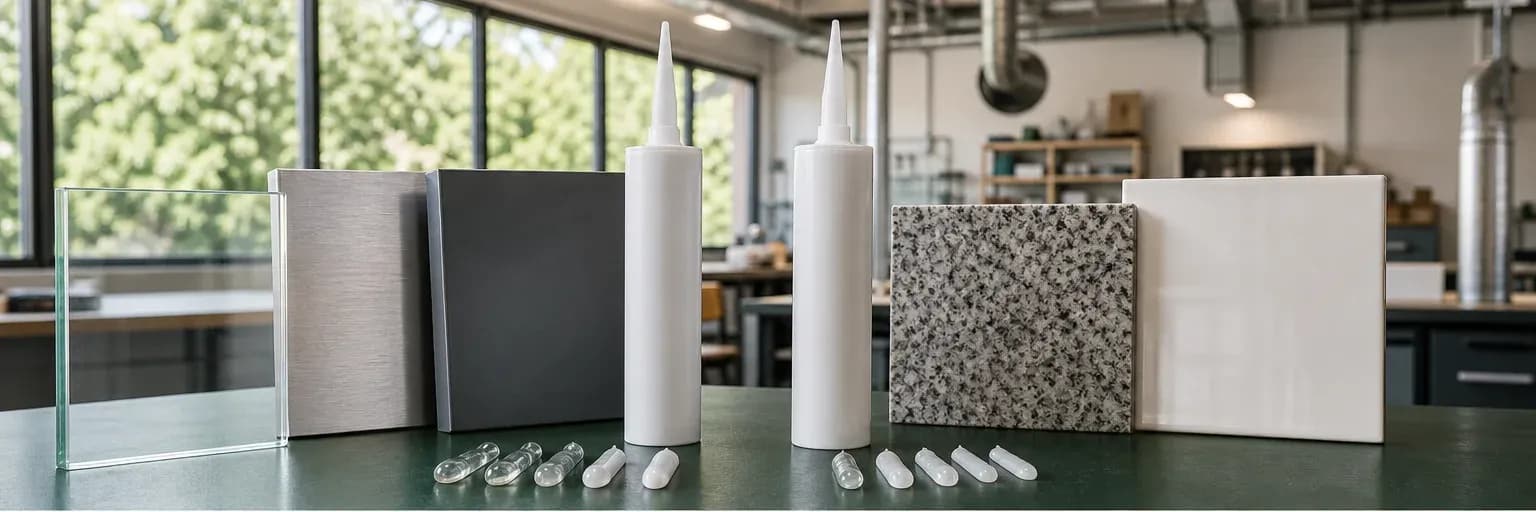
Acetoxy silicone smells of vinegar and can attack some metals and stone. Neutral cure doesn't. Here's which one to use where.
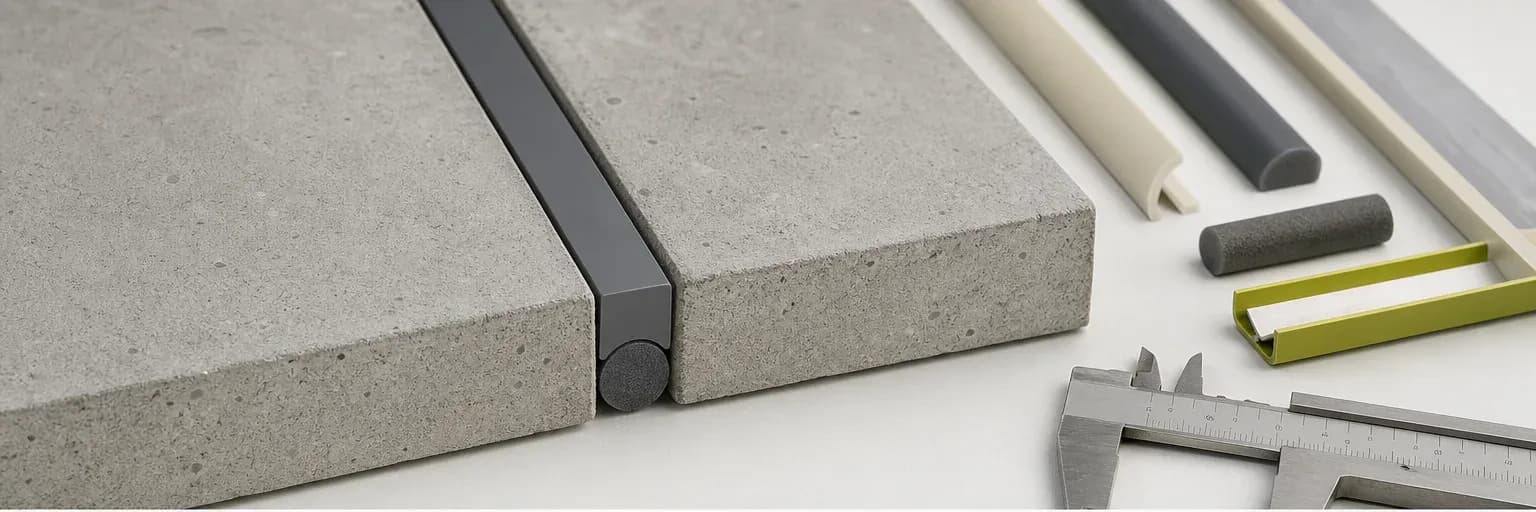
How wide and deep a sealant joint should be, why it must stick to two sides and not three, and where backer rod comes in.

A simple pull test on the real surface, the combinations to rule out first, and how to check stone for staining.

What to look for on a walk-round, what each kind of failure means, and when to patch or replace the run.
Not sure which product fits the joint? Send us a photo and the sizes, and we will tell you.
Talk to us